
That time when Toronto widened the streets
It may seem strange to think it nowadays, but Toronto â or at least the older parts of the city â wasn't built for cars. Many streets throughout what we now call the core were narrow affairs better equipped to handle carriages and bicycles. Some of Toronto's widest avenues like University and Spadina were once lazy, two-laned paths that would struggle to accommodate a couple of modern-day buses passing one another.
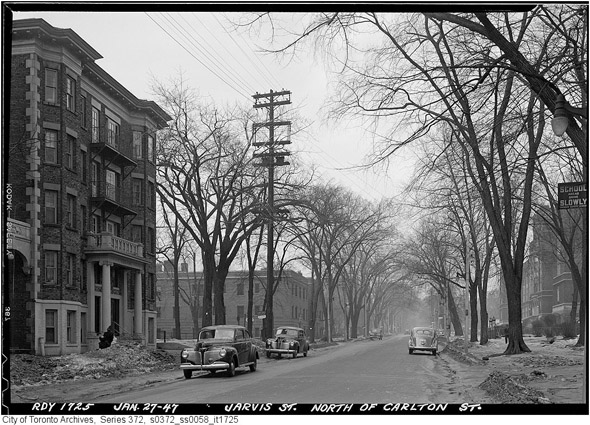
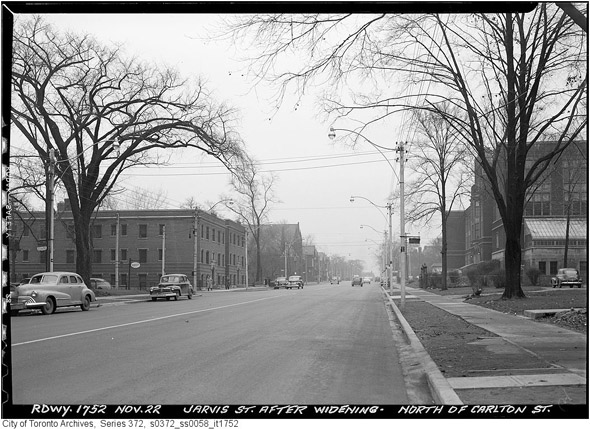
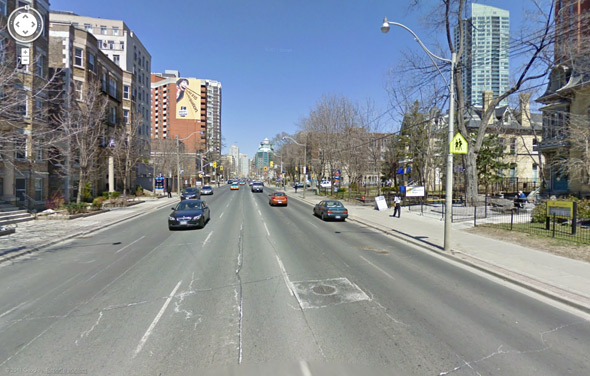
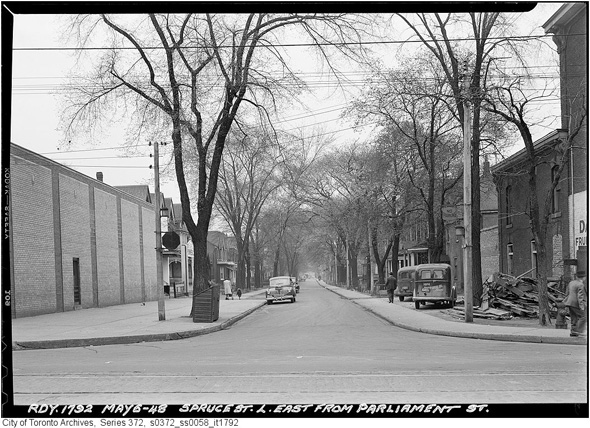
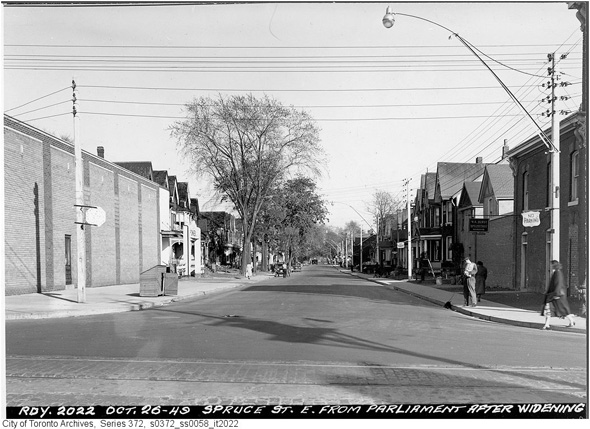
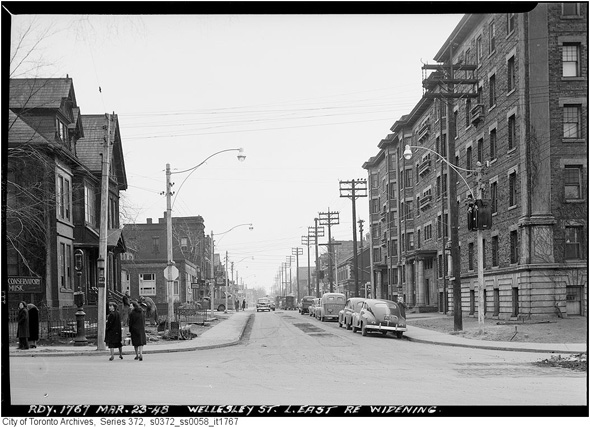
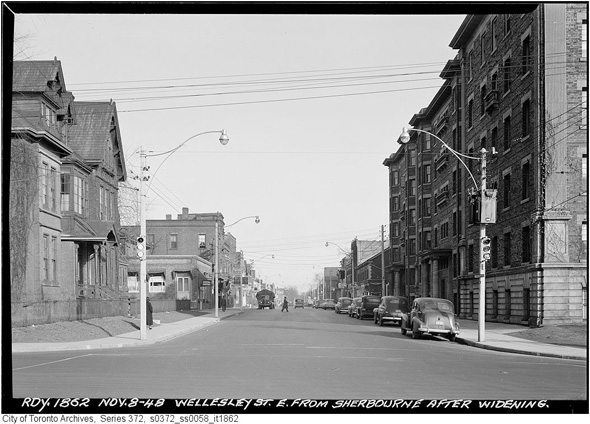
These aren't political statements related to some putative war on the car, but basic facts about the history of this city. So when did things change? Perhaps not surprisingly, Toronto undertook a massive city-wide effort in the years following the second World War to expand the width of its streets to better serve the rising vehicular population. The Archives are littered with photos of formerly tree-lined boulevards that are hollowed out for the purposes of expansion. I used to think the most startling (and in some ways disappointing) instance of this took place on Jarvis Street, which at one time was as grand a street as Toronto had. But in this latest trip into the city's past, I'd now say that the changes in and around U of T are the most dramatic.
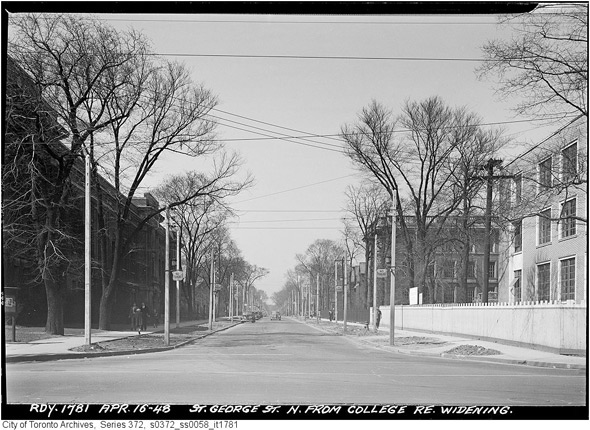
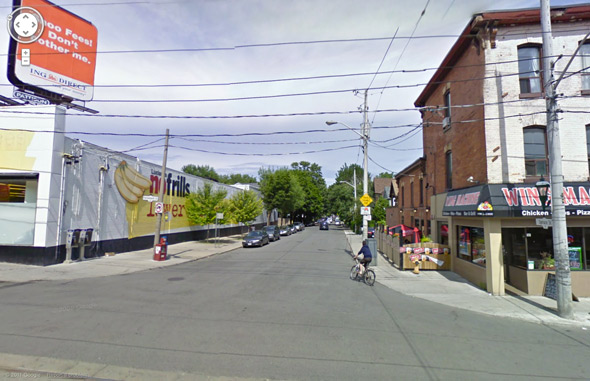
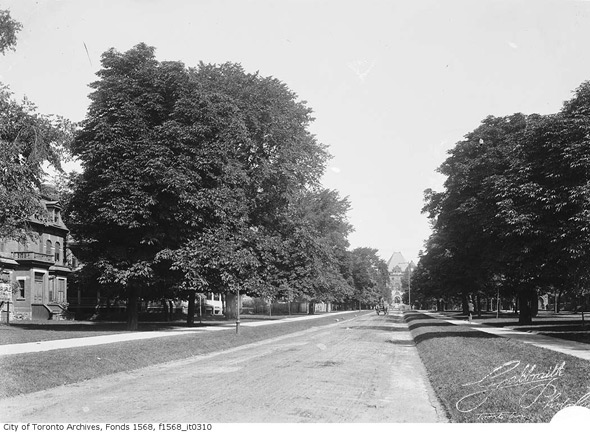
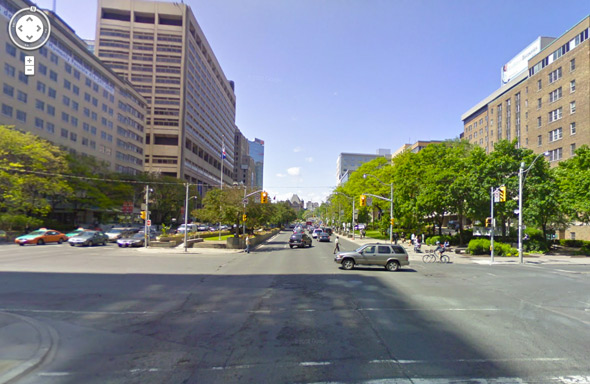
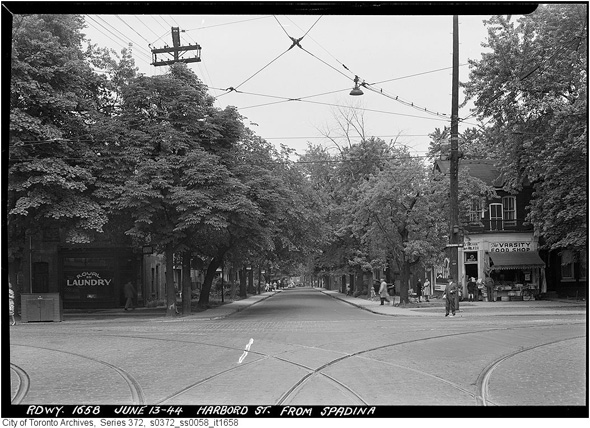
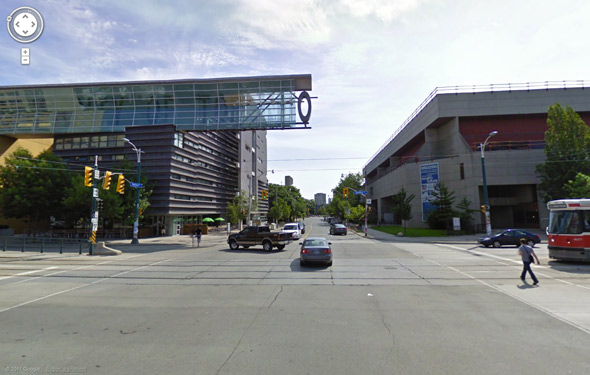
But the point of this isn't mourning. On the contrary, it's fascinating to see how the city was transformed to meet the needs of its growing population and the rise of automobile. Most of the photos below were taken around 1948 and feature before and after views of the streets in question. I've also added a contemporary Google Street View image for additional context. When no immediate "after" photo was available, the "before" photo is directly juxtaposed with the view today.
- See also: That time Toronto filled in the harbour
PHOTOS
Jarvis north of Carlton
St. George and College
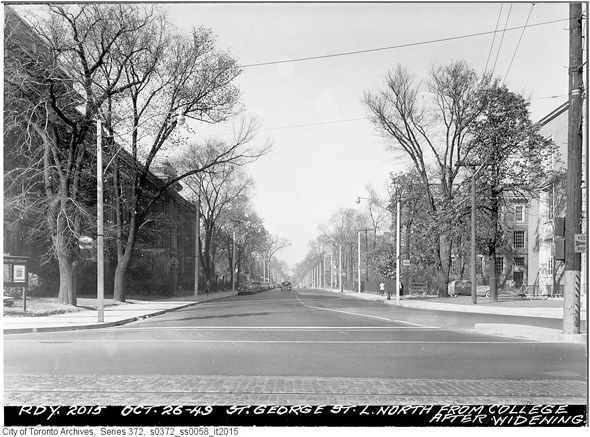
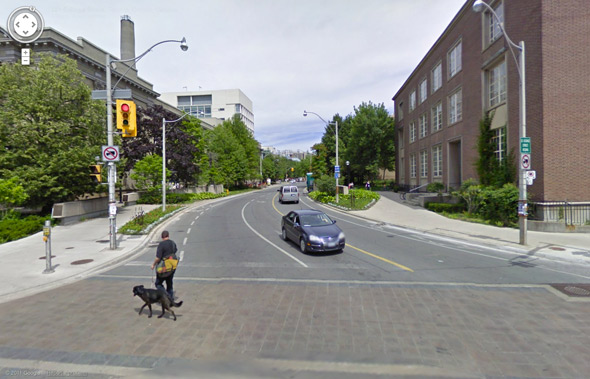
Donlands and Danforth
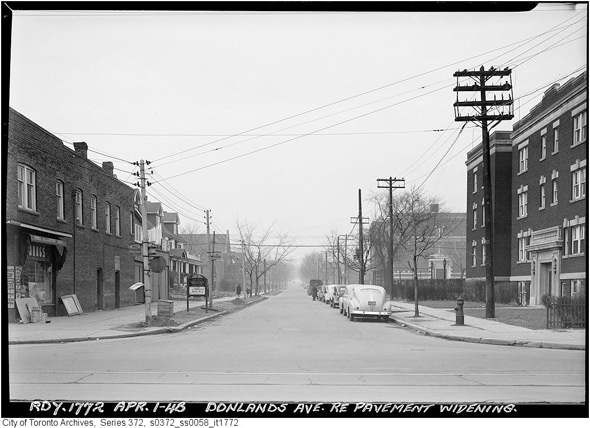
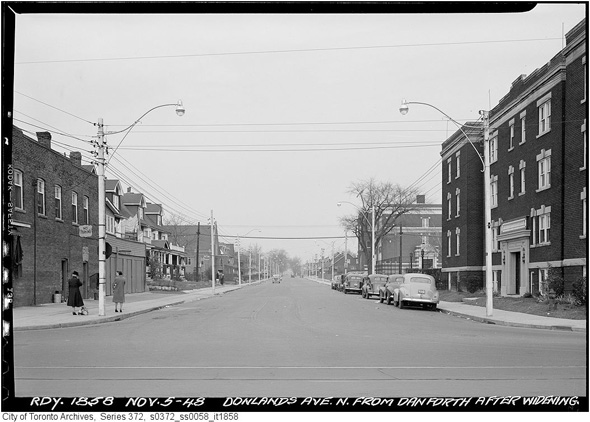
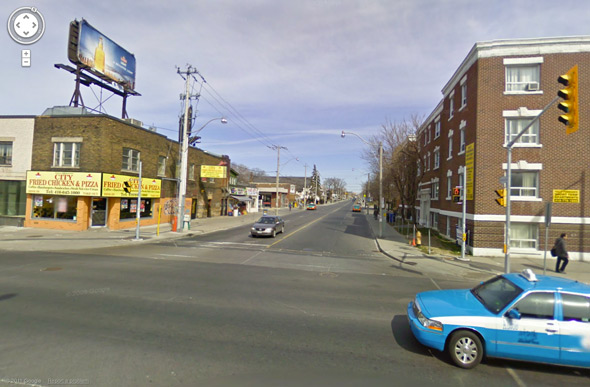
Parliament and Spruce
Spadina and St. Clair
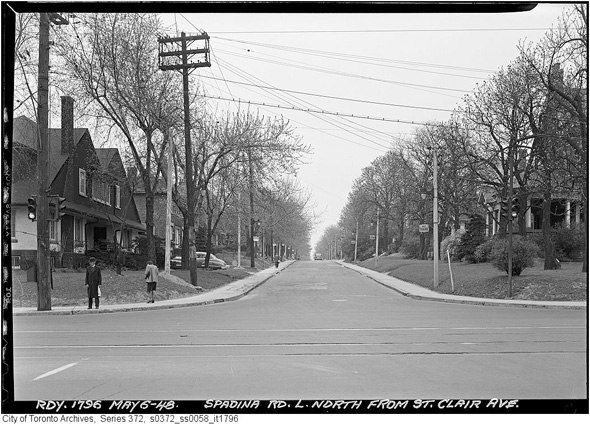
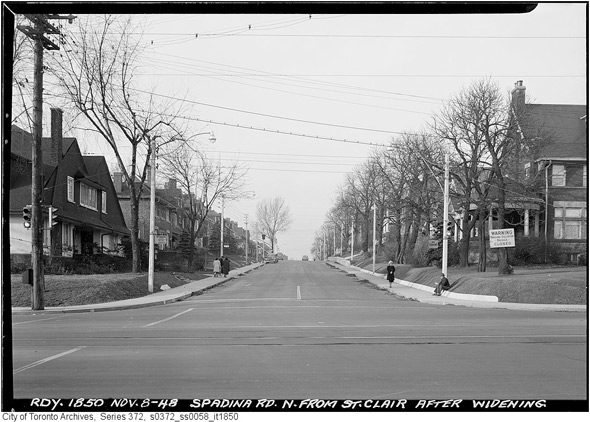
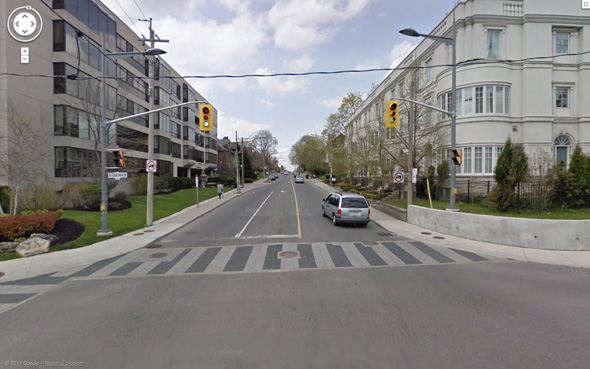
Spadina south of Bloor (looking north)
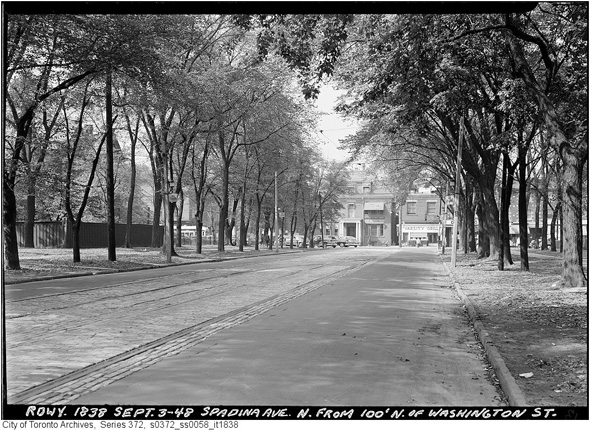
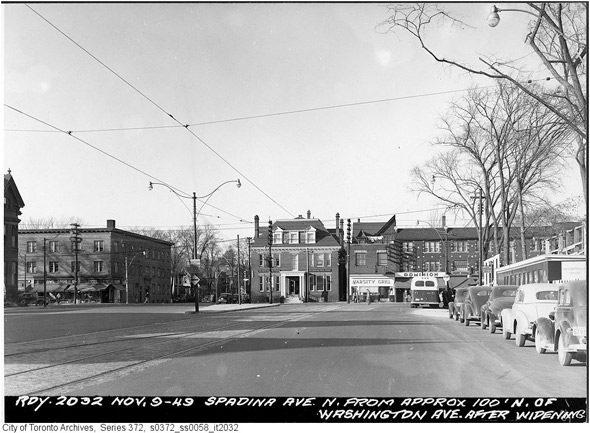
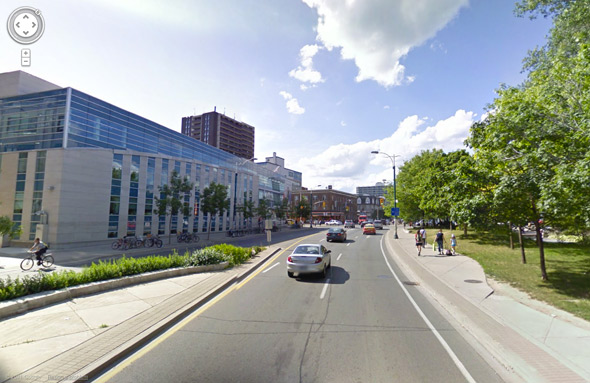
Sherbourne and Wellesley
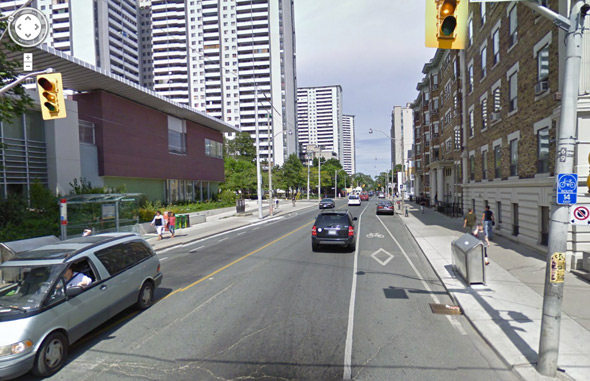
Carlaw and Queen
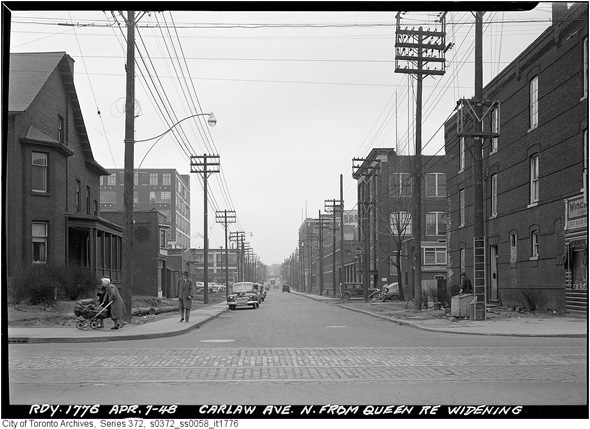
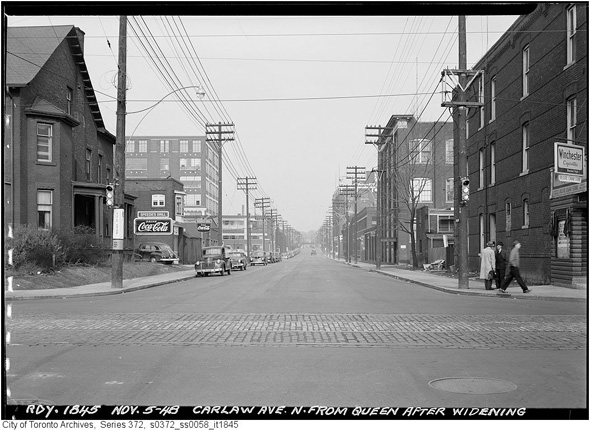
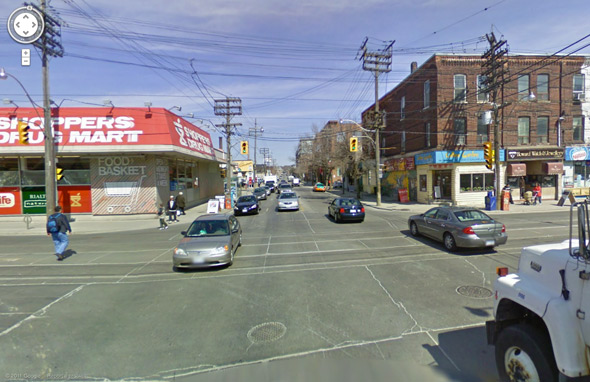
The photos below are pairs rather than trios:
University south of College (original photo ca. 1910)
Spadina and Harbord
St. George and Harbord (looking west)
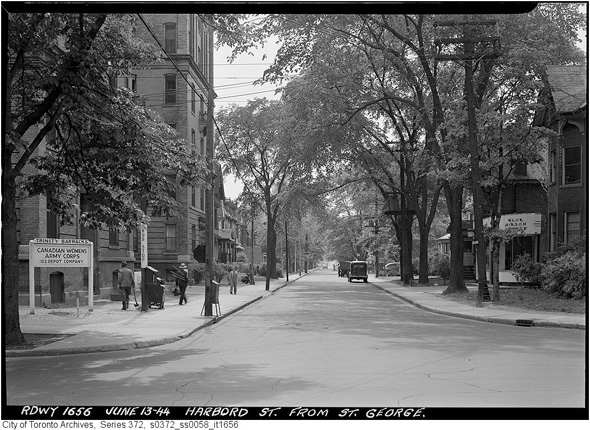
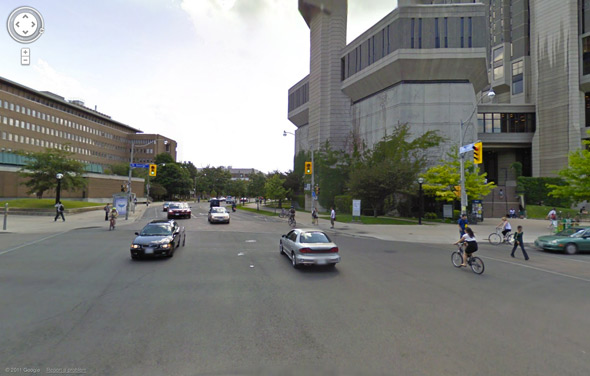
St. George and Harbord (looking north)
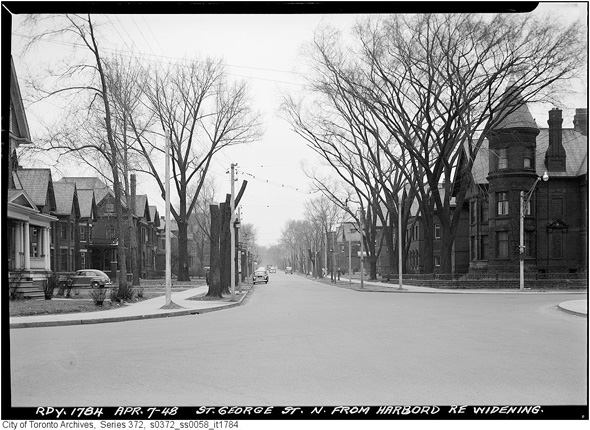
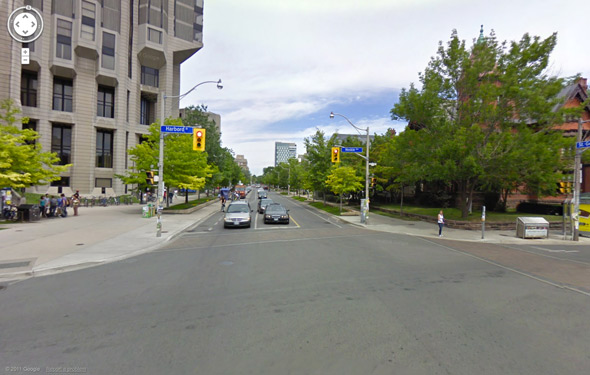
Spadina and Bloor
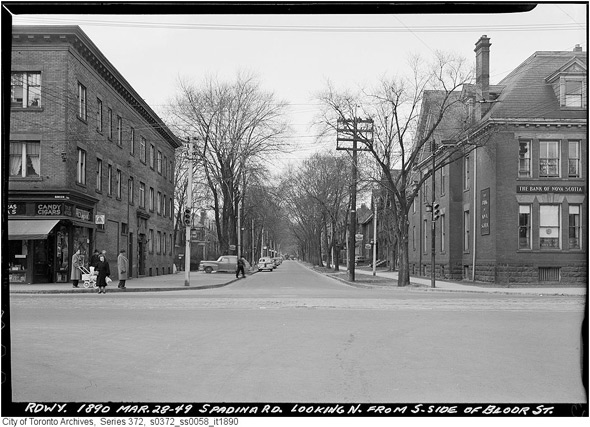
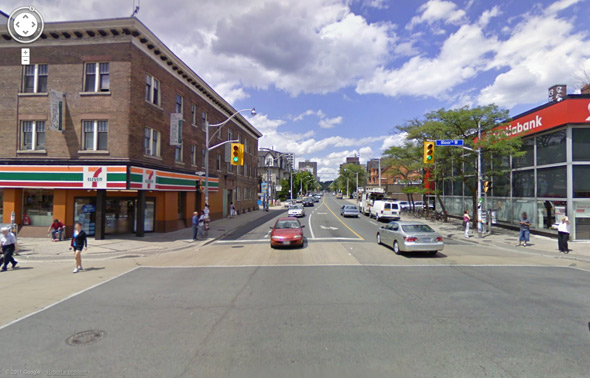
All photos from the Toronto Archives, and screenshots from Google Maps


