A visual history of Toronto when its streets were kind of filthy
It sounds strange to say these days, but there was a time when Toronto was a rather filthy city. No, the streets weren't covered in trash nor was there ever a ton of graffiti, but many of our buildings were covered in a thick layer of soot that cast the entire downtown area in a pervasive brown.
The culprit? Coal. Toronto was once a city run on coal, and that leaves its residue over the decades. Throw in the fact that there was once a far heavier industrial presence throughout the city, and you have the recipe for some gritty-looking buildings.
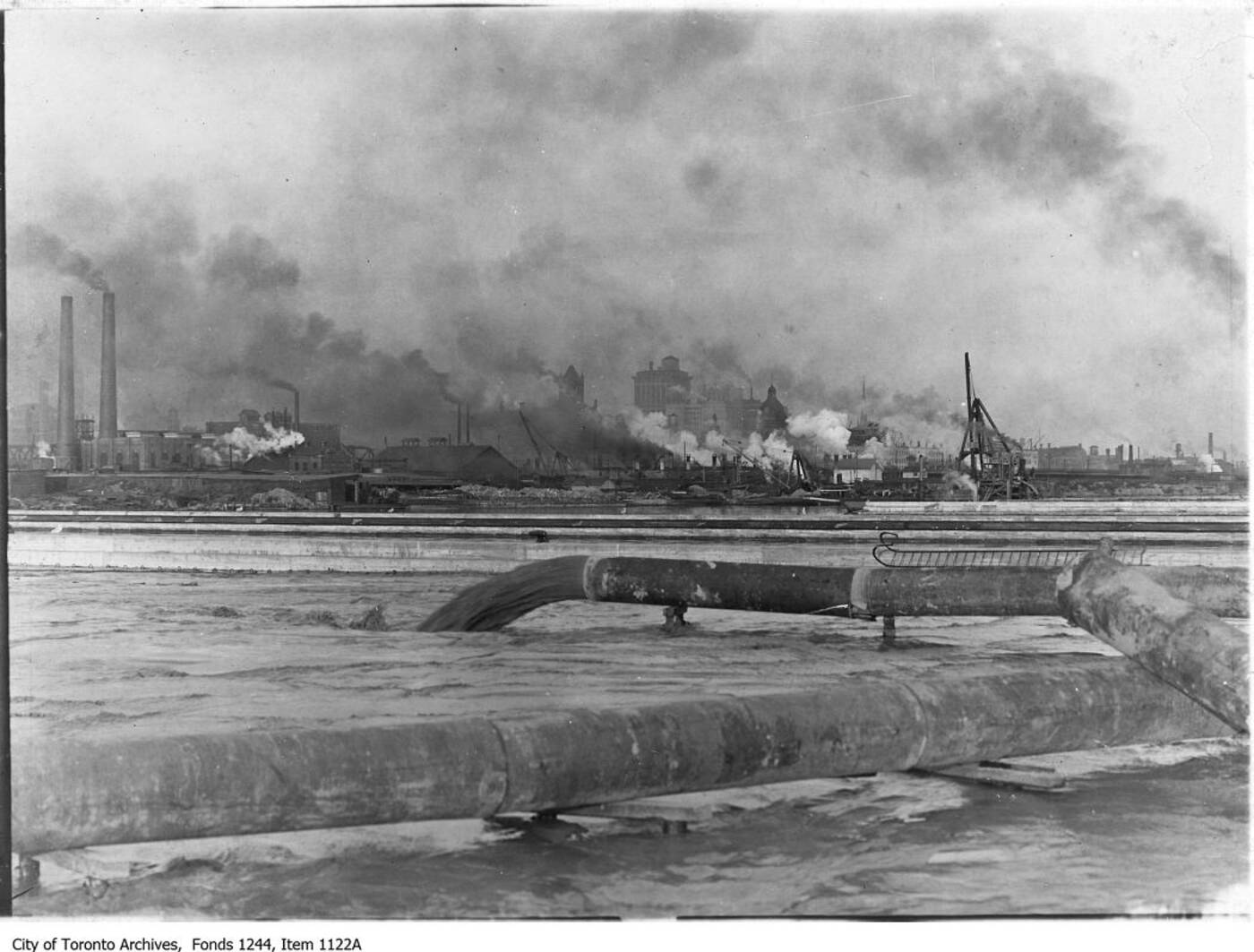
The Toronto skyline of 1912 reveals a far more industrial city and plenty of soot production.
On an aesthetic level, this filth is anything but pretty, but there's also a certain rawness to these images that speaks to a time that was a little less tidy in general (you know, bad haircuts, hodgepodge signage, less corporate cleanliness).
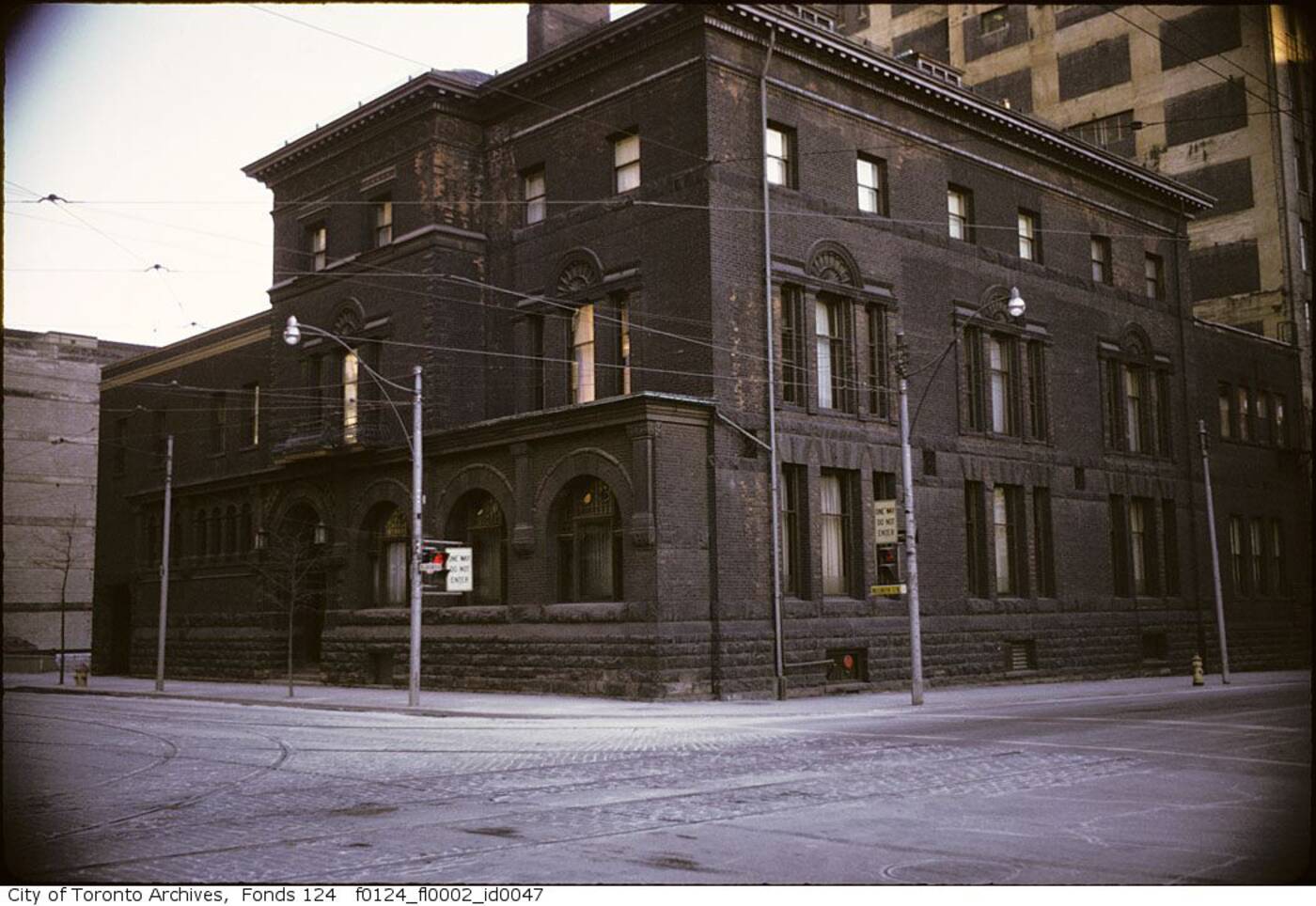
Soot-coated buildings like this one on Wellington Street were everywhere in the 1960s and 70s.
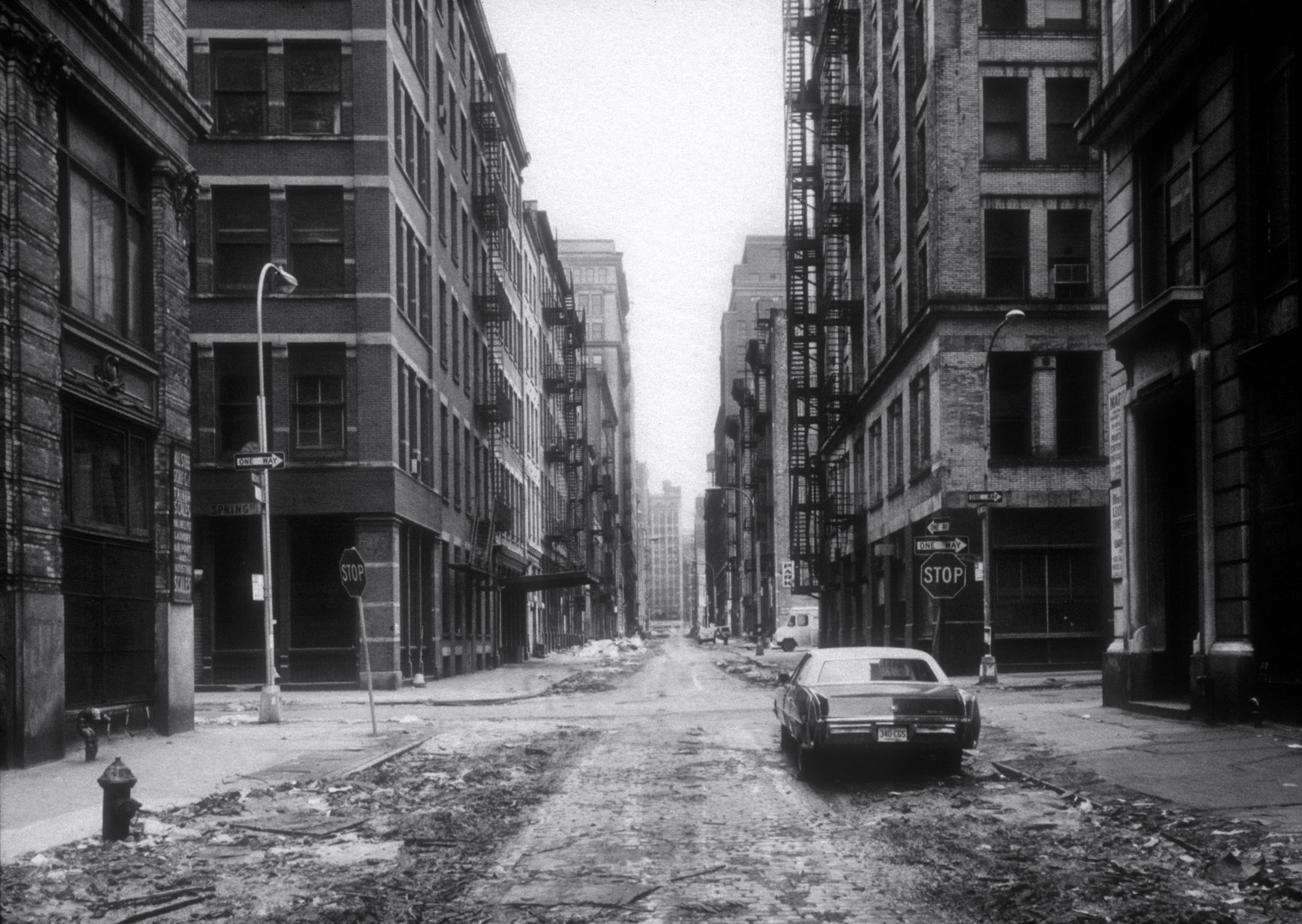
There's something almost compelling about it all, like photos of New York's SoHo in the 1970s, when the area was more than just a little rough around the edges.
On the flip side, photos like these make it somewhat easier to understand why it is that Toronto's city builders were so cavalier about knocking down heritage structures.
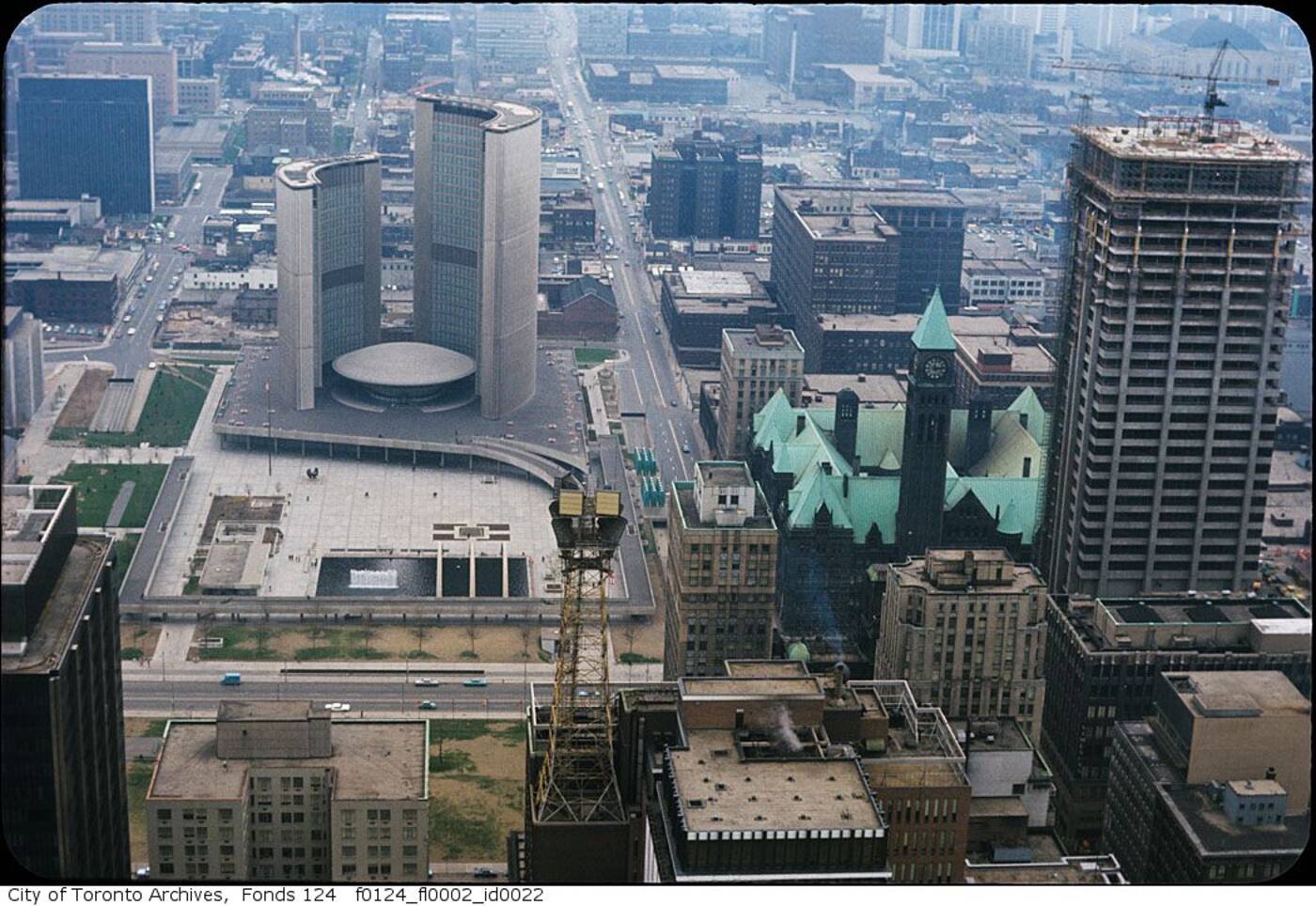
Old City Hall in 1967. A few years later there would be talk of demolishing the building.
Take City Hall for instance. When it was proposed to knock it down to make way for the new Eaton Centre (a complex that was meant to be much bigger), the building was this nasty dark brown on account of soot accumulation over the years, a sign of neglect that helped foster the idea that it was worth replacing.
While it seems Toronto streets have always remained clean, various improvement and maintenance efforts in the 1980s and 90s would help bring the buildings up to par via the removal of much of this industrial residue — but not before a few were lost to the demolition process.
Behold, that time when Toronto was kind of filthy.
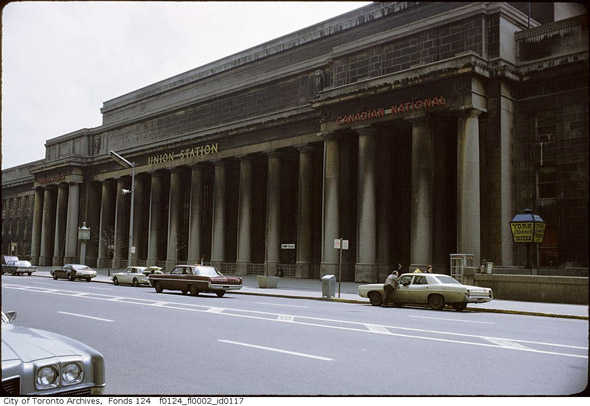
Union Station, 1970s (what it looks like today).
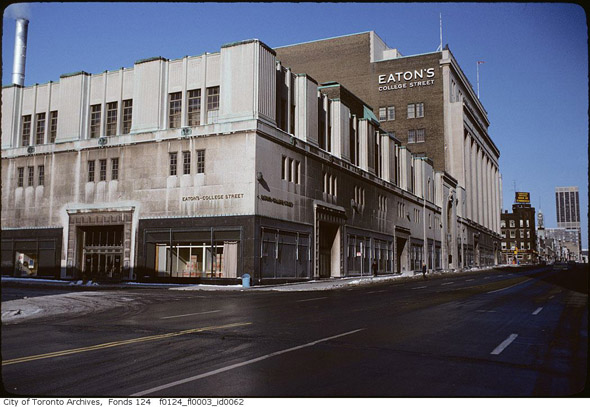
College Park, 1970s (what it looks like today).
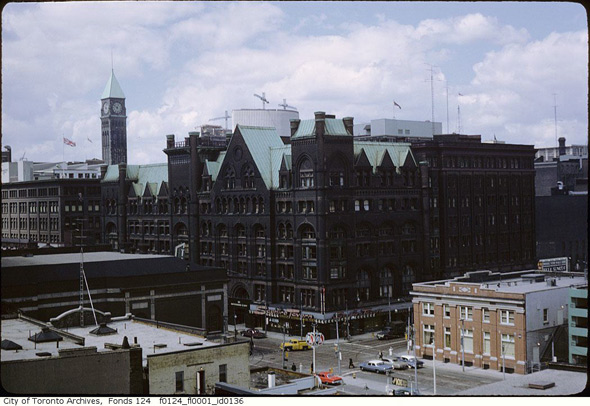
The Confederation Life Building, 1960s (what it looks like today).
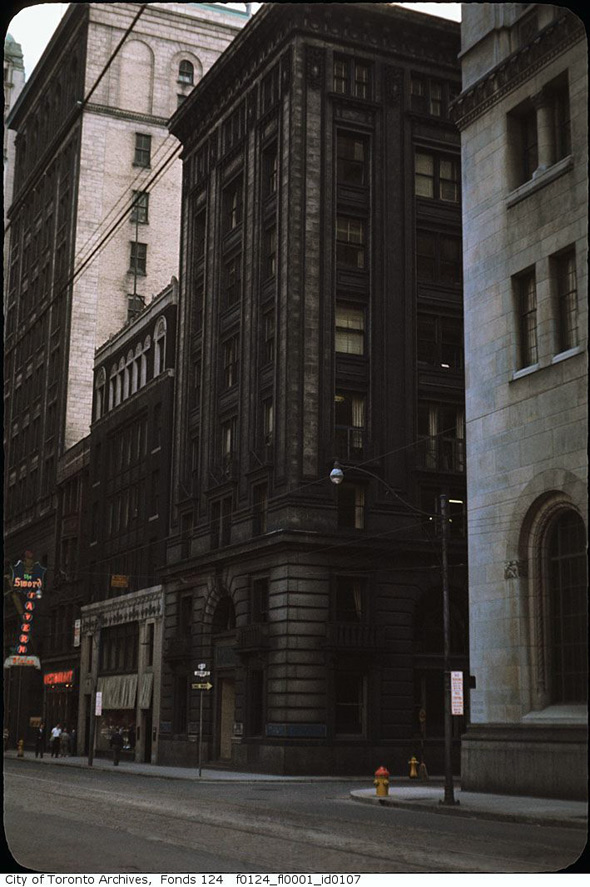
Near Yonge and King, 1960s (what it looks like today).
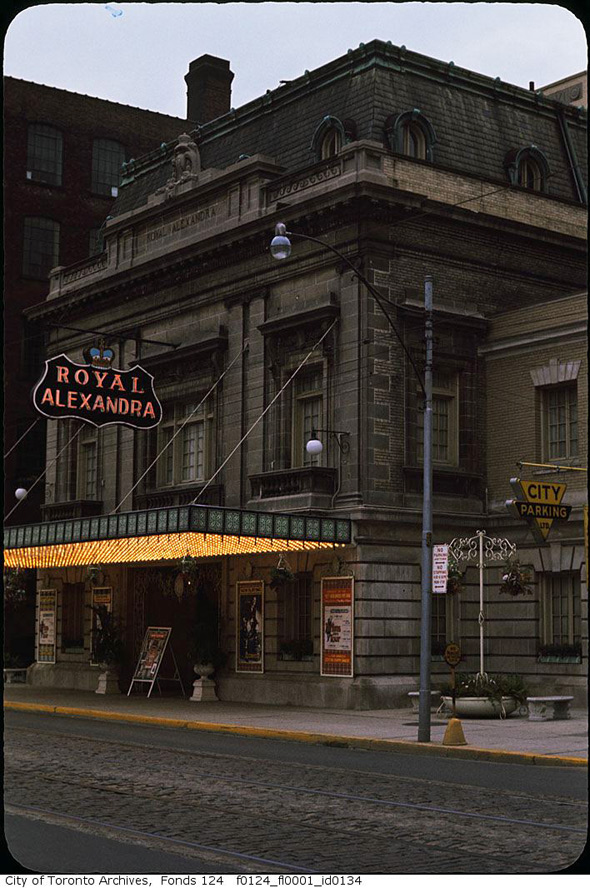
The Royal Alex, 1970s (what it looks like today).
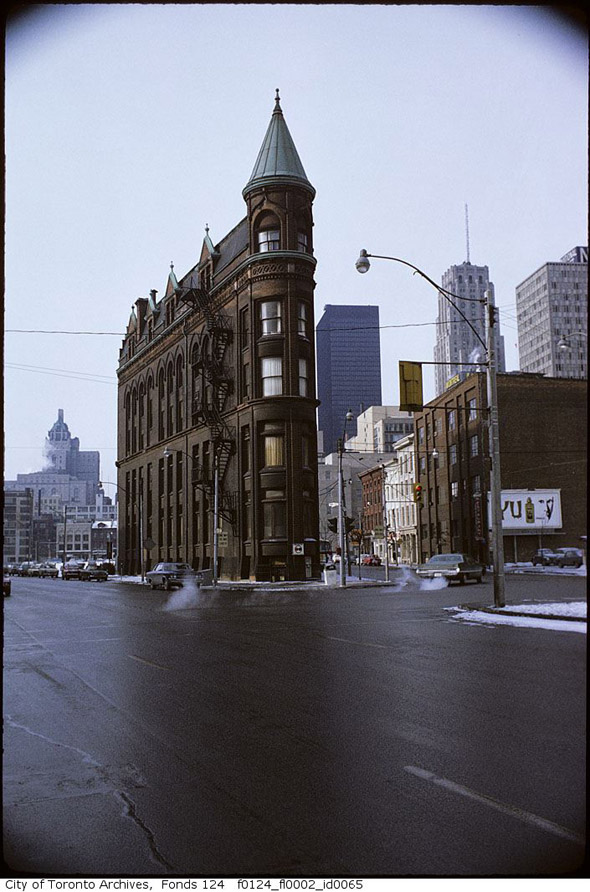
Even the Flatiron Building looks a dull brown in the 1970s (what it looks like today).
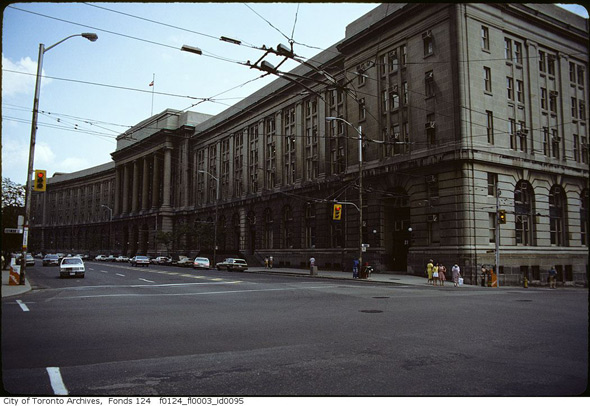
Dominion Public, 1970s (what it looks like today).
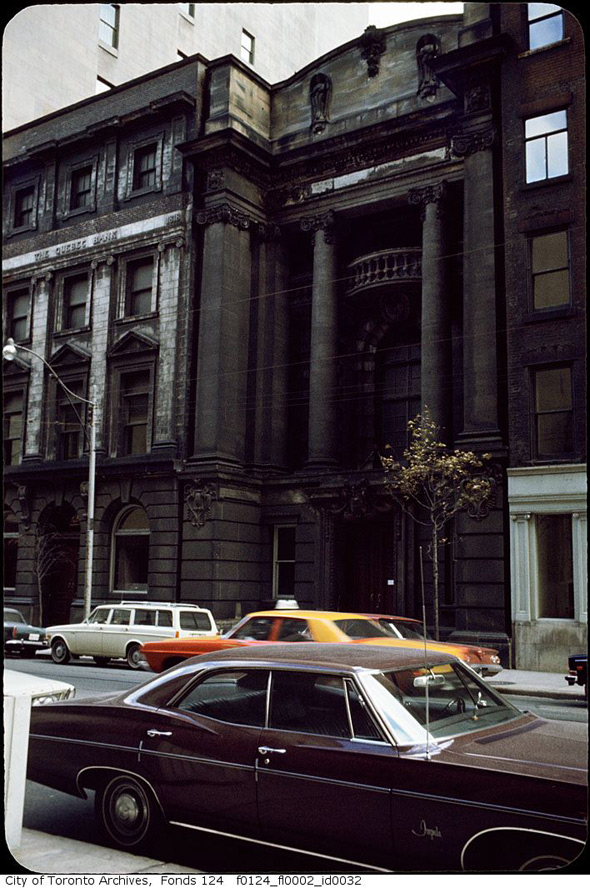
Old Quebec Bank building, 37 King Street West 1970s looks like today).
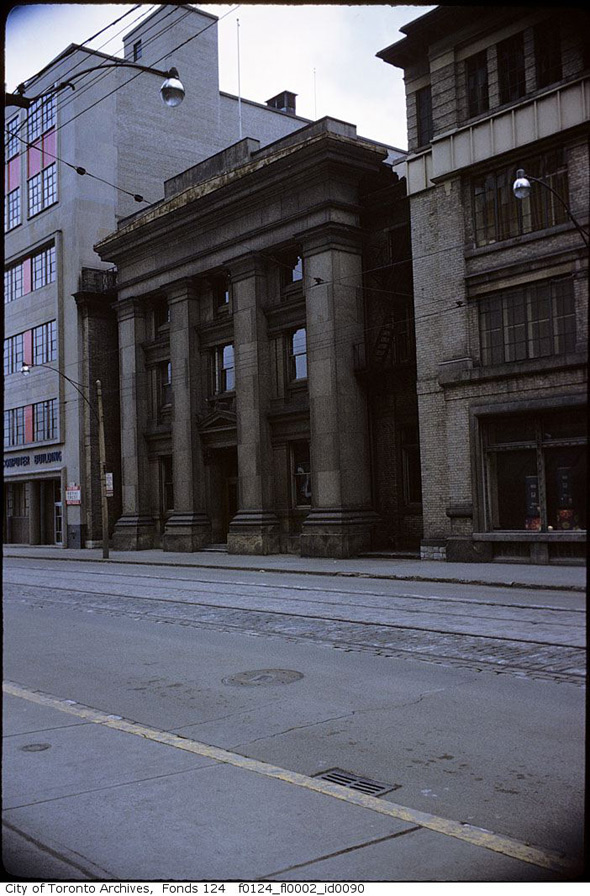
Old Courthouse, Adelaide near Church, 1970s (what it looks like today).
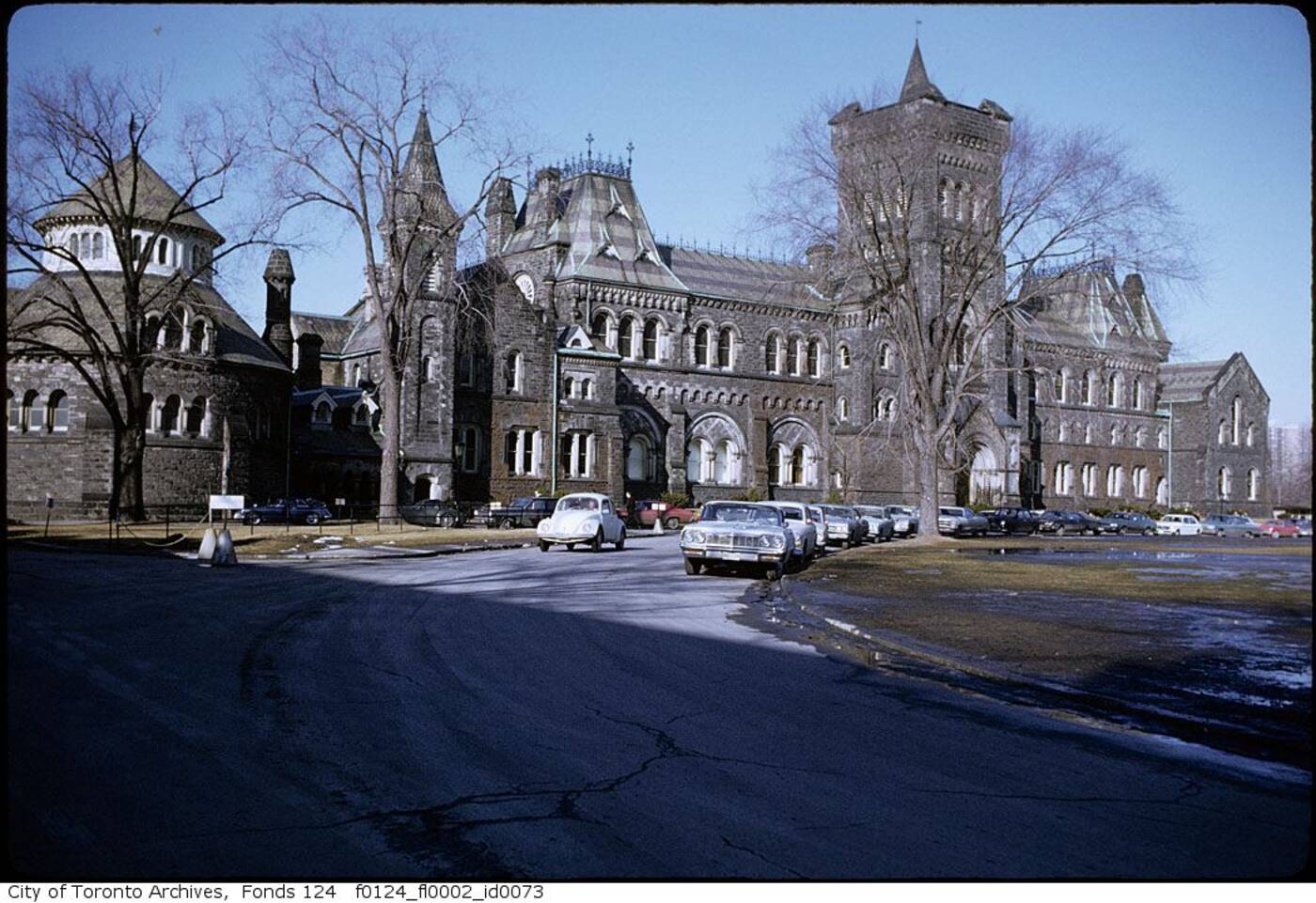
University College, U of T, late 1960s (what it looks like today).
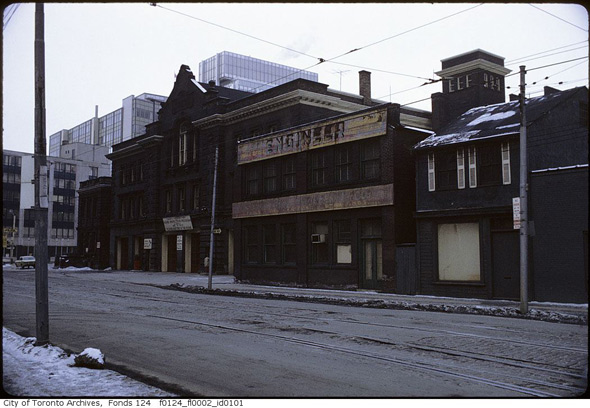
The former Fire Hall on Adelaide Street West, 1970s (what it looks like today).