Saturday, May 26, 2012Partly Cloudy 17°C
City

Morning Brew: September 19th, 2008

Posted by Jerrold Litwinenko / September 19, 2008

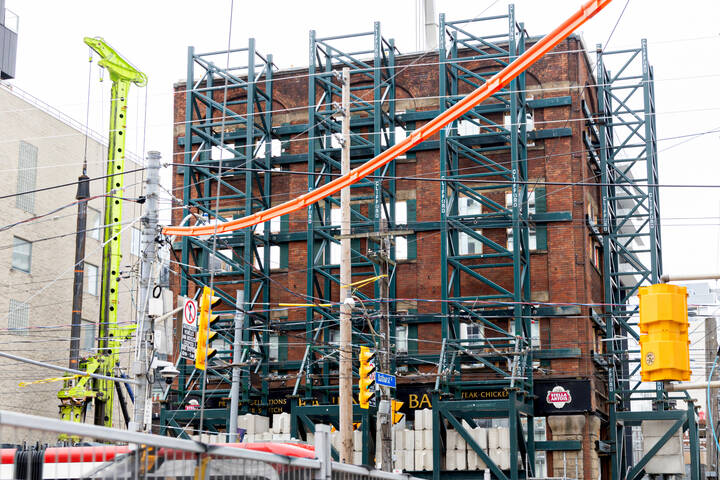
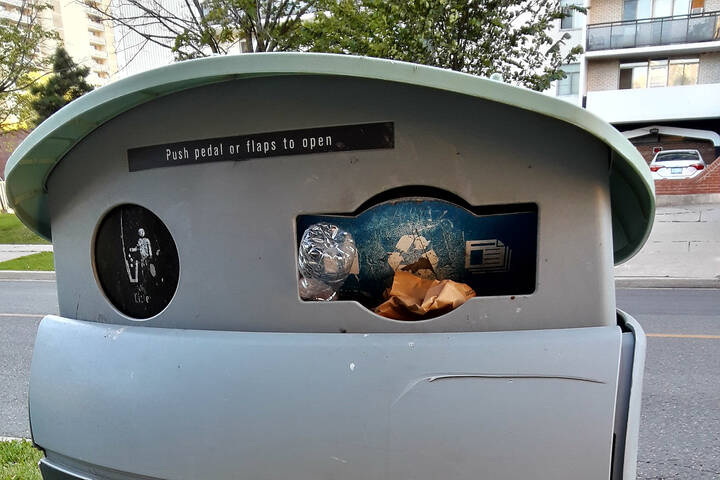
20080919_mb.jpgPhoto: "DSC_1734" by fotograf.416, member of the blogTO Flickr pool.

Your Toronto morning news roundup for Friday September 19th, 2008:

Being a teenage bully may cost you more than school friendship and your reputation. An Oshawa mom allegedly hunted down the alleged bully (who'd been harassing her daughter) and beat her and stuck a knife in her a several times. Rage can most certainly rear its head.

The idea of doing random drug testing of TTC employees has been dropped, but the commission still wants to pursue drug screening of potential new recruits and post-incident testing of frontline employees. Giambrone calls it a compromise between public safety and employee privacy, and I tend to think he's right. But if a bus driver smokes weed on Monday night and crashes a bus on Wednesday morning, he'll still read positive for THC without it actually affecting his performance. Can of worms for sure.

$70billion over 10 years. Apparently that's what it takes to get the mayors of some of Canada's largest and most ailing cities on your side in the federal election. Can this happen, or will it prove to be another empty election promise? We may never know.

--

The Dead Sea Scrolls will be coming to Toronto's ROM in the summer of 2009, for the largest exhibit of the relics outside of Israel. Some people will undoubtedly find this pretty cool, but I'm not so sure how many will agree that "Toronto will not be the same after this exhibit."

Police divers helped kick off a volunteer-driven lakefront cleanup effort, by pulling borderline obscene objects out of the water. It was an exhibit of everything AND the kitchen sink. Does Lake Ontario have such a bad reputation as being a toxic cesspool that throwing a toilet in there seem justified, or are people just complete ignoramuses?

Discussion

10 Comments

brad ross / September 19, 2008 at 09:51 am
user-pic
Post-incident testing, i.e. after an accident, will only occur if there is reasonable cause to suggest impairment was a factor in the accident.

Tests will not look for past use, only impairment at the time of the test. What someone does on their own time is of no concern to the TTC, although substance abuse programs are, and will be, available to all of our employees.

Brad Ross
Director of Corporate Communications
Toronto Transit Commission
Jerrold / September 19, 2008 at 10:08 am
user-pic
Thanks for elaborating, Brad.

Here's the hole in the plan though, that needs to be very carefully looked at.

Many nacotics, including marijuana, are detectable in significant quantity in the body well beyond the period of impairment. The same goes for opiates (watch out for poppyseed bagels and muffins!).

Will the TTC set "acceptable" concentration thresholds for all drugs types? What happens if an employee refuses a drug/alcohol test? At what point does this become a police matter? Before or after test results are learned?
Diane / September 19, 2008 at 11:31 am
user-pic
If I understand correctly, blood alcohol tests show the level of alcohol in the blood (duh!) and therefore are a rough indicator of how impaired a person might be at the time the test was taken.

However, drug tests show the level of metabolized byproducts in the blood and are therefore only indicators that a person might have taken drugs at some time in the past (several?) days, bearing no relation to any possible impairment at the present time.
brad ross / September 19, 2008 at 01:18 pm
user-pic
Jerrold - oral fluid testing shows impairment at the time of the test. If there are trace amounts from past use (and that is unlikely in oral fluid testing) it will not be flagged unless it exceeds the establsihed threshold for each drug type identified, in which case you will be deemed to be impaired. The TTC will contract with an independent lab to conduct such tests.

If someone refuses to be tested, then it becomes a management-employee issue that will be dealt with through the processes already in place vis-a-vis our collective agreements. As for the police, if there is an on-street accident, the police would already be involved and have the right, through reasonable cause, to conduct a breathalyzer.

I cannot stress enough that this is about public safety, not playing "gotcha" with our employees. Reducing the risk of a catastrophic incident is the goal, not finding out what someone does on their own time.

Brad Ross
apetimberlake / September 19, 2008 at 02:28 pm
user-pic
Thanks for clearing that up Brad.
davedavedave / September 19, 2008 at 02:59 pm
user-pic
@ Brad Ross "oral fluid testing shows impairment at the time of the test. If there are trace amounts from past use (and that is unlikely in oral fluid testing)"

Personally, this is what I've been waiting to hear. As long as it is only going to be used in cases of suspected impairment, I don't mind the testing. One thing though - what would be the point in oral fluid testing of new recruits? Wouldn't it only show if people were high for the interview?
A / September 19, 2008 at 04:01 pm
user-pic
If there were a spokesperson from local government and agencies who could contribute to discussions like this with straight fact more often, I think these threads would be infinitely more reasonable (like today's).
jamesmallon / September 19, 2008 at 05:48 pm
user-pic
I think I am supposed to be outraged by the mother, but as a teacher, if bullies faced real consequences...
brad ross / September 19, 2008 at 06:03 pm
user-pic
@davedavedave
A threshold will be established for applicants. If the applicant exceeds that threshold, it will have to be looked at and dealt with individually. Urinalysis testing will provide evidence of use within a few days or weeks depending on the type of drug and frequency of use.

Obviously, one wouldn't expect an applicant to show up impaired for a test either due to alcohol or drug consumption, but if the test results show drugs, there may be a chronic use issue or other related risks or safety concerns that will need to be discussed and addressed with the applicant.

Brad
brad ross / September 19, 2008 at 06:11 pm
user-pic
Just to be clear on the last post, which I wasn't. Reasonable cause testing and post-incident testing will invlove oral fluid testing to measure impairment at the time of the test.

Applicant testing, will likely involve urinalysis to address the issues mentioned above.

Brad

Add a Comment

Other Cities: VancouverMontreal