Tuesday, June 18, 2013Mostly Cloudy 15°C
Eat & Drink

The LCBO Issue: A Panic-Buyer Reflects

Posted by / July 27, 2005

strike2.jpg
When the eve of the new millenium tolled, I scoffed at those who stocked up on bottled water and canned goods. And while Torontonians who'd learned their lesson from the city-wide power outage filled up their propane tanks and re-stocked their cupboards with batteries, I refused to bother.

But when the news of a potential LCBO strike wafted through the airwaves, I joined the masses of paranoid consumers, and in no time was dragging a booze-packed granny cart along Bloor street.

No alcohol for the long weekend? Now that would be a nightmare. Fortunately, the strike was averted as of this morning. But does this temporary relief mean the LCBO issue is over? Certainly not.

The details aren't yet out on why the Liquor Board workers changed their minds. But without getting into the particulars of the politics, I find the question of privitization intruiging.

As a consumer, I would love to have alcohol available to me in the supermarket and convenience stores. It's just, well, convenient. Whenever visiting Quebec or the states, I always take full advantage of this freedom.

And in addition to longer hours and more places to buy, privatization could also mean access to products that we can't currently get. If the LCBO can't guarantee a certain amount of sales, they're not going to ship in a specialty product. But a store that specializes because the owner has a passion for the product could offer all kinds of unique goods - and provide far more in terms of customer service. (And perhaps better prices?)

On the other hand, LCBO workers and supporters make a good point. If the Liquor Control Board is eventually dismantled, where would that money come from? It's a worrying thought.

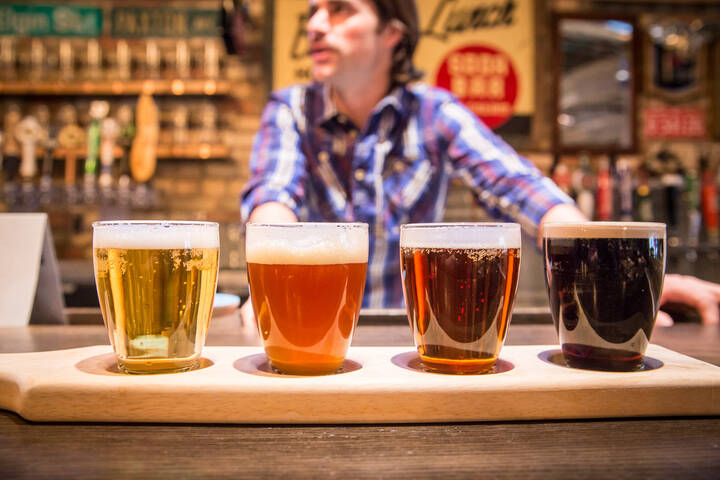
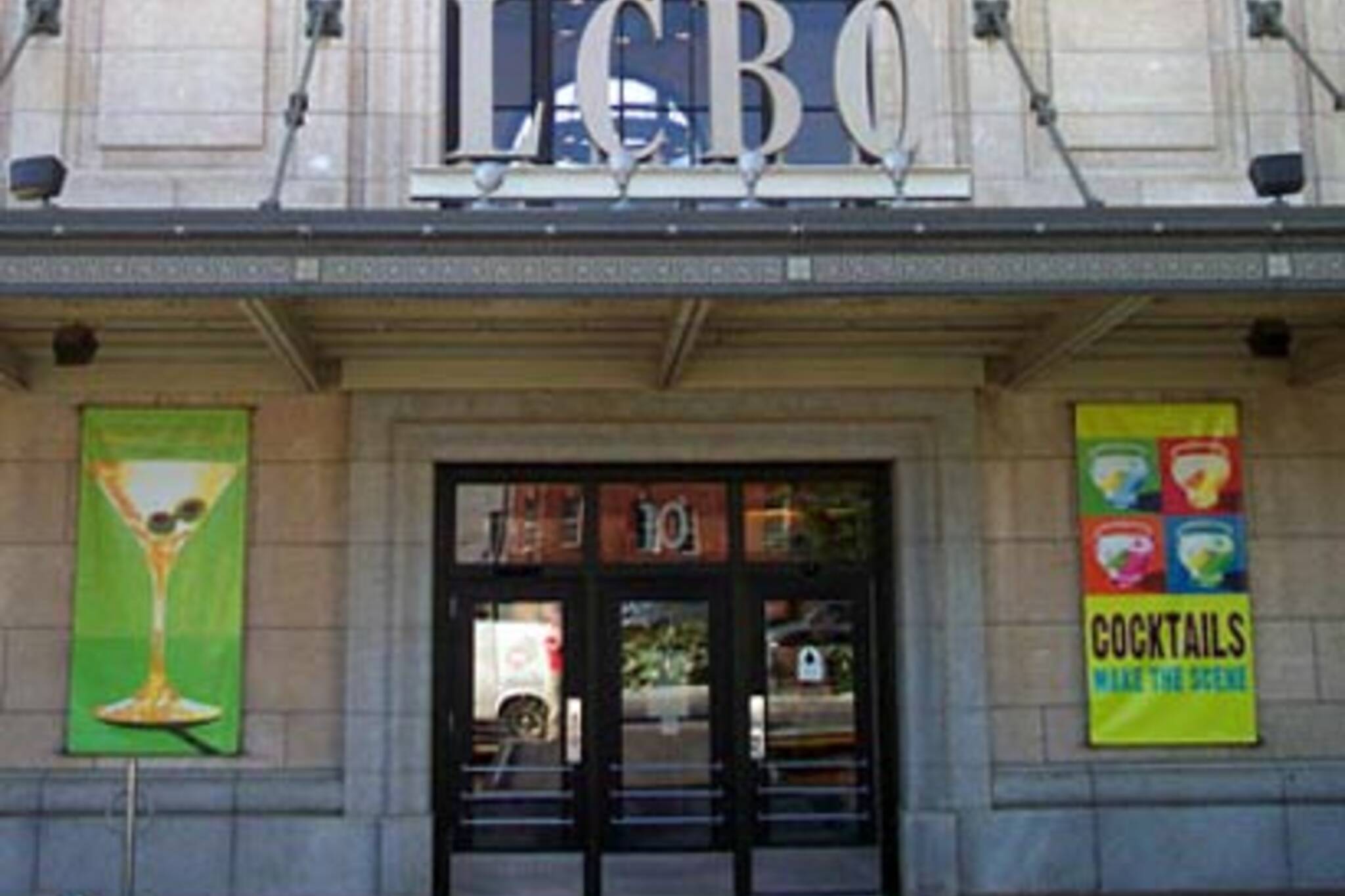
Meanwhile, the LCBO seems to be working hard to keep its customers (not that we have a choice). Earlier this summer it campaigned with cocktail-tastings; now you can check out its "Beer Spoken Here" theme. (I like the interactive map.)

While my "panic-buying" was apparently unneccesary, it did have its advantages. While the LCBO (and the Beer Store, lest they be forgotten) will most certainly be barraged with thirsty procrastinators on Friday evening, I'll be relaxing with a cold one.

Discussion

4 Comments

Paul / July 28, 2005 at 09:33 am
user-pic
<pre>privatization could also mean access to
products that we can't currently get. If the LCBO
can't guarantee a certain amount of sales, they're
not going to ship in a specialty product. But a
store that specializes because the owner has a
passion for the product could offer all kinds of
unique goods - and provide far more in terms of
customer service. (And perhaps better
prices?)</pre>
I think you're crazy. Privatization would mean corner stores full of Labatt and Molson / Jackson-Triggs dreck; good stuff would be difficult to find. Yes, Toronto might manage to have a few specialty shops with good selection; but if you live in the burbs or the boonies, forget it. Better prices? The LCBO is the largest purchaser of alcohol in. the. world. How do you imagine a small specialty shop would be able to get better deals? And I've never had a problem with LCBO service. Their staff seems very knowledgable to me.
matt / July 28, 2005 at 09:51 am
user-pic
While I see Paul's point, I also think that competition is good for prices and the market. The LCBO can charge anything for specialty items because they're the only seller...having multiple stores would drive prices down through competition.

I also agree with Camille's point about selection.. it's really hard to get specialty items at the LCBO because you have to order a whole case, and some products they can't get at all. The specialty stores in the US and other provinces (eg. Quebec) can carry items from smaller manufacturers in smaller quantities.

Yes, it would mean grocery stores and 7/11s full of Blue and Canadian, but it would also mean the freedom to choose what I buy and where I buy it. Quebec is a good example.. the corner stores do sell some crap, but they also stock lots of good local beers.

This is a mixed bag though, as the LCBO does have its strengths.
optimus / August 15, 2005 at 01:34 am
user-pic
A few comments:

1) The LCBO doesn't really make money. It reports the taxes gathered on their balance sheet like it was a profit. Their actual profits are rather meagre. So I don't think this debate should necessarily hinge on the economics of the LCBO.

2) ... But that's not to say that the LCBO is busted. Their selection is actually pretty good and is structured in such a way that it is difficult for the big players like Vincor (who own, among others, J-T & Inniskillin) to squeeze out smaller estate wineries.

3) ... and I know it's difficult to see the rest of Ontario through Toronto's smog, but the issue of access, distribution and selection is even more significant outside of major metropolitan areas.

4) And don't get too misty-eyed about Quebec. Yes, there are alcoholic beverages outside of the SAQ. But selection is poor, prices are no better, and the big players' control over distribution channels is more noticable. Ontarians marvel at first at the 'good local beers' in the Couche-Tards... but you'll find that the vast majority of these unfamiliar brands are actually Unibroue products -- Quebec's largest brewer, not a series of small 'local' producers.
bill / May 8, 2009 at 08:44 pm
user-pic
yes they do make money! as one of the ones doing the books it was over 5 bil. thats right! Plus all the under age drinkers they stop as well as drunk drivers that alone is worth it. I have seen they be attacked and abused when they refuse someone. |Do u really think little johnny working at the varity store will have the parts to refuse his friends or worse a grown man who is drunk. |I think not!!

Add a Comment

Other Cities: Montreal