City
Toronto of the 1880s
Toronto of the 1880s is the first decade in this series in which the city seems almost unrecognizable. Lacking major landmarks like the Ontario Legislative Building (Queen's Park), E.J. Lennox's City Hall, the Confederation Life Building or the Flatiron/Gooderham Building (all completed in the decade that followed), it's remarkable just how few structures from this period survive today.
There are, however, plenty of clues that tell you this is our city. Be it the geography, the presence of names like Eaton and Gooderham, the church spires that dot the skyline or the bustle of Yonge Street, there remains something unmistakably "Toronto" about these photos. Even in the absence of buildings that have stood the test of time (and of city planners' patience), a certain character or vibe still connects the Toronto of today with its more distant past.
The Toronto of the 1880s was a place in which electric lights and telephone polls were just arriving on the street, asphalt started to be used for roads (1887), streetcars/trolleys were finally allowed to travel on Sundays and the Cathedral Church of St. James was one of the largest buildings in the city.
Here's what it all looked like (year of photograph provided where relevant/available).
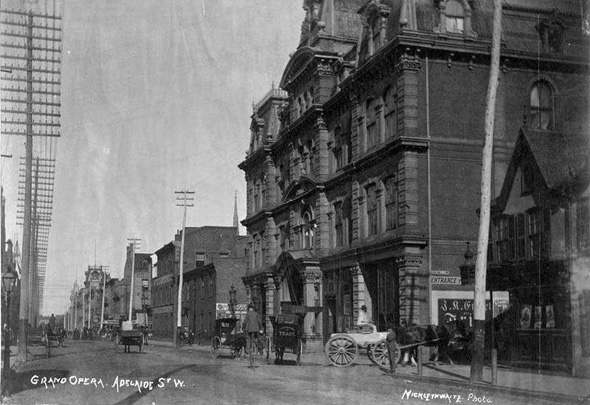
Grand Opera House

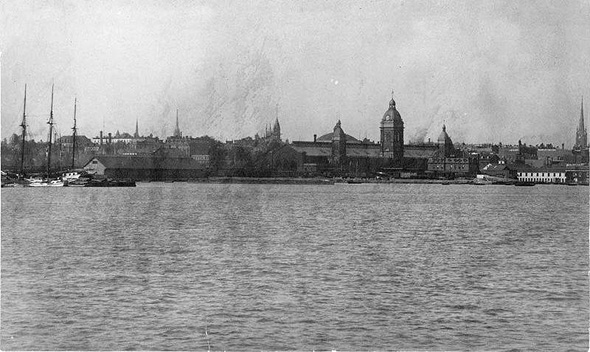
Skyline

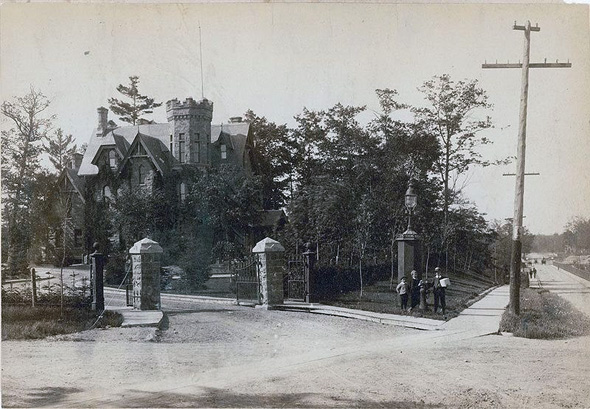
North Glen Road Bridge
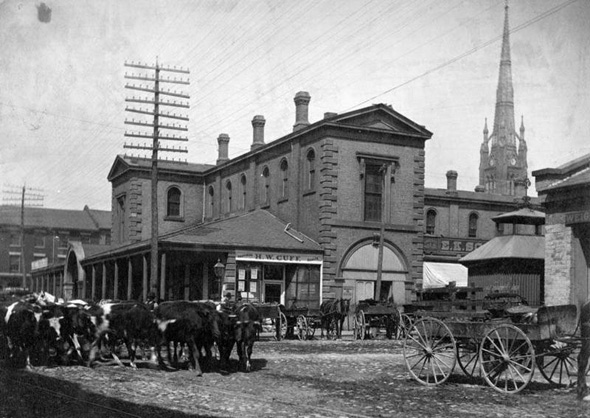
Original St. Lawrence Market
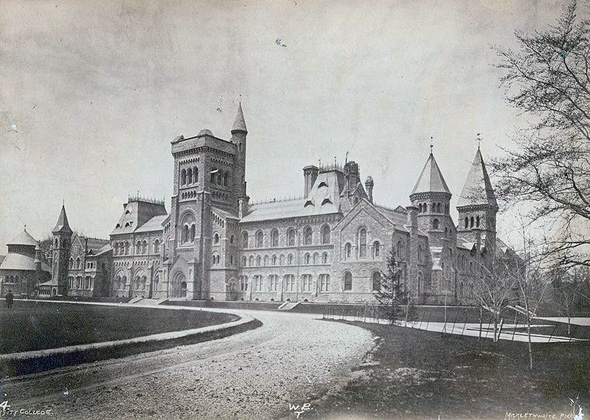
University College (U of T)
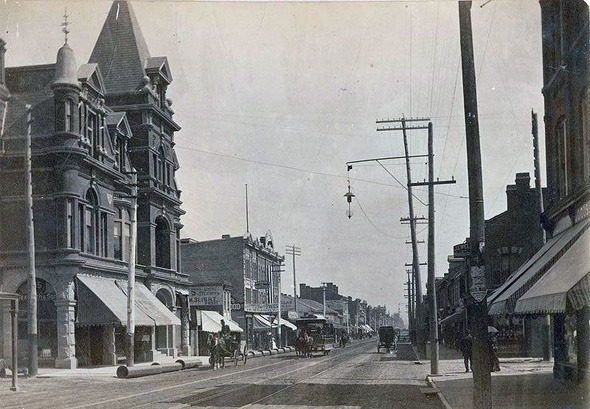
Popular styles 1883

Yonge looking south from the YMCA

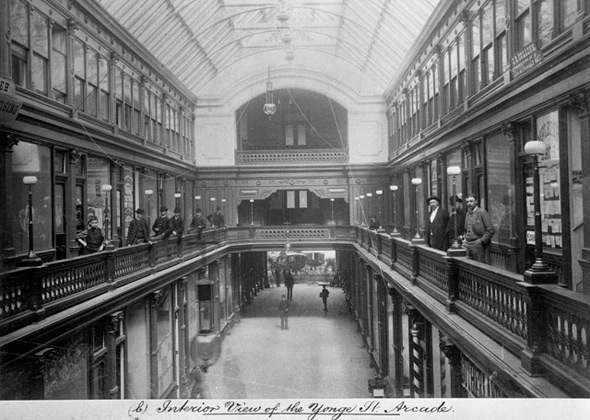
Interior Yonge Street Arcade
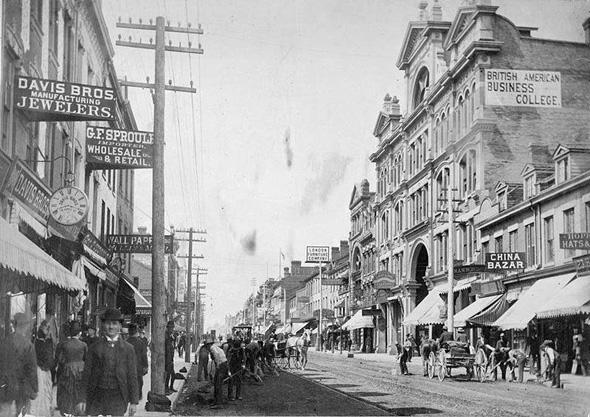
Yonge south of the arcade looking east
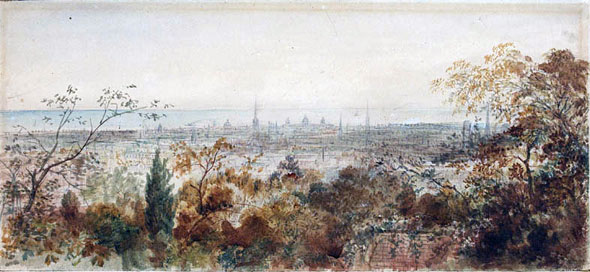
Looking south across the city
1883 Bird's Eye Chromolithograph Map (Note the presence of City Hall, which either puts the date in question or confirms the practice of including buildings not yet constructed. View larger size).

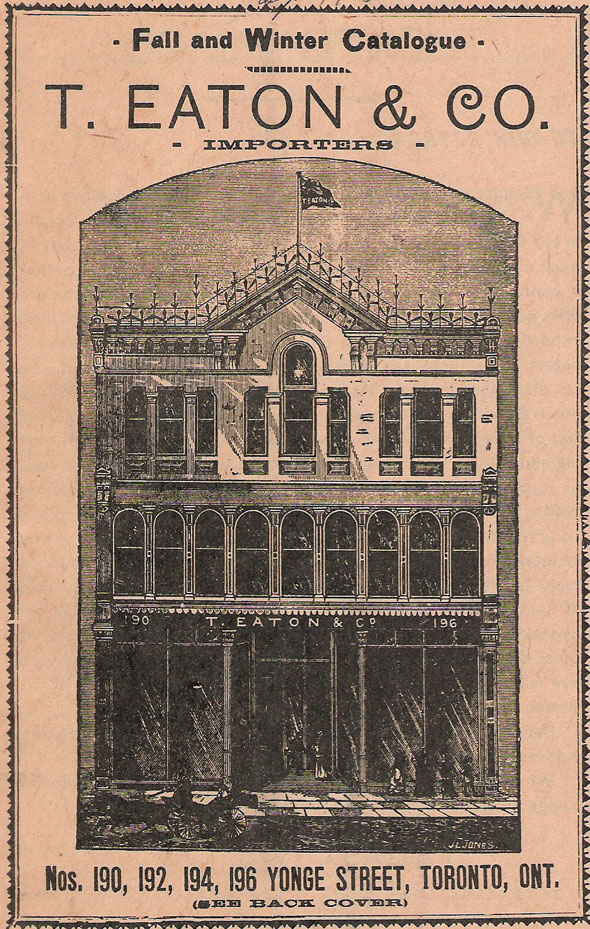
1884 Eaton's Catalogue

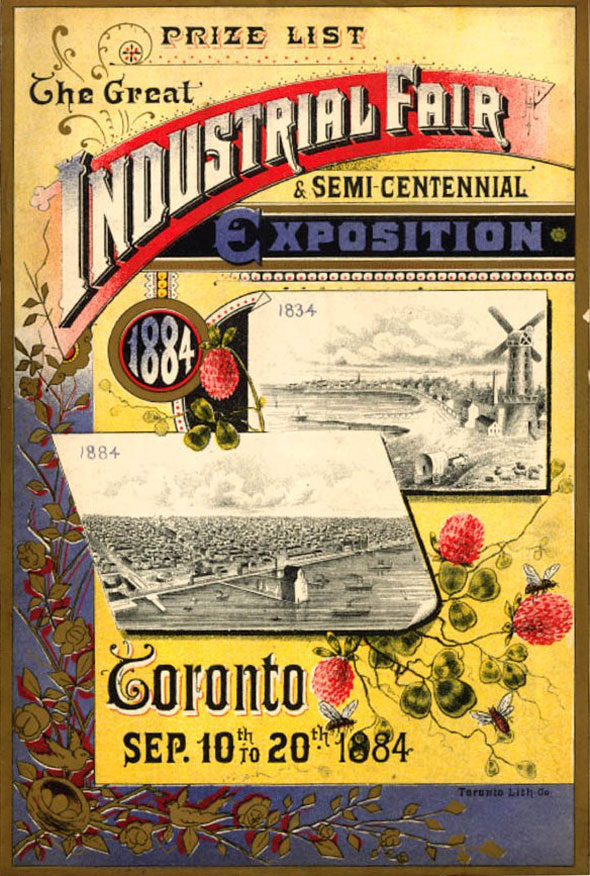
1884 Industrial Fair
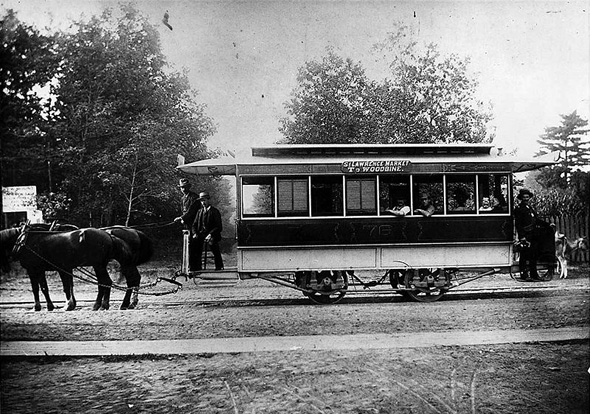
Horse-drawn streetcar
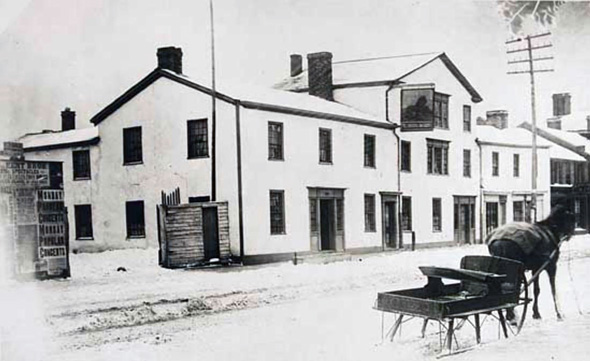
The Red Lion Inn
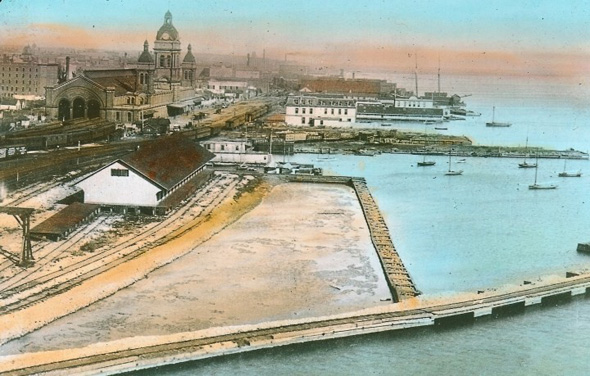
Waterfront looking east
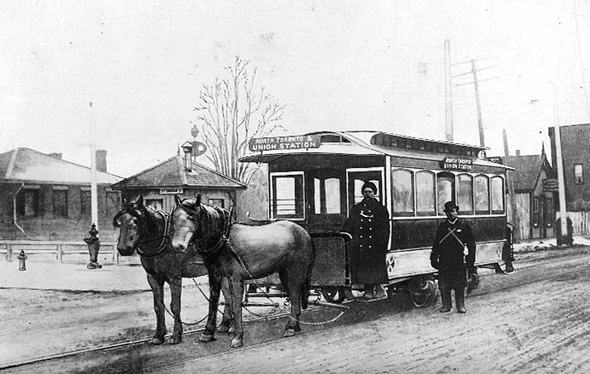
Two horse car at old North Toronto Station
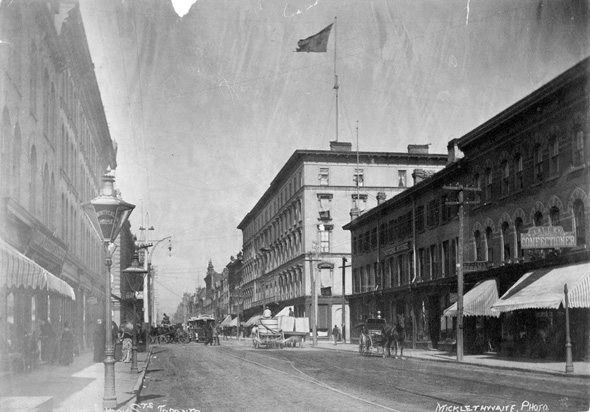
King and York streets
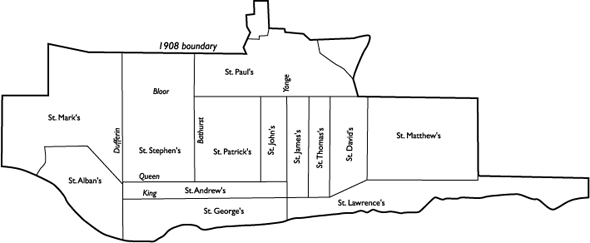
Toronto Wards 1889

To see more of the series, check out these posts:
- Toronto of the 1980s
- Toronto of the 1970s
- Toronto of the 1960s
- Toronto of the 1950s
- Toronto of the 1940s
- Toronto of the 1930s
- Toronto of the 1920s
- Toronto of the 1910s
- Toronto of the 1900s
- Toronto of the 1890s
As the links above demonstrate, with this post we've covered the period between 1880-1980, which were the initial limits I had conceived of when I began to put these historical photo-tours together. But after a little poking around in the archives, I've found that there's enough material to go back a couple more decades. Please let me know in the comments if this is something that you'd like to see.
Images from the Wikimedia Commons, Toronto Archives, and the Toronto Public Library.


Discussion
34 Comments
Sort By Oldest First / Newest First
Subscribe
Yes.
I've enjoyed this whole series so much!
For an encore, is there material on any of the old surrounding towns within the current Toronto borders in the pre-1900s?
http://www.blogto.com/upload/2011/01/201111-Chromolithograph_of_City_of_Toronto_1883.jpg
If I wanted to print some of these prints, what would be the best way to go about it? Visit the Archives on Spadina? Do you know how much they'd charge?
Thanks!
Victoria St. and Lombard St. meet.
How has the neighbourhood at Markham and Sheppard changed over the years? The town of Highland Creek or Port Union? What about Swansea or Rexdale?
Amazing that it took just 2hp to pull a streetcar and passengers.
"Avenue Road" came from the name of the road belonging to Upper Canada College, which still remains today at the start of Oriole Parkway. It's still called The Avenue, and was the road that linked UCC to Queen's Park. As the City grew, the road was taken up by the municipality. There was a winch at Cottingham Street to take items up the hill and apparently native Americans used this during portages from Lake Ontario to Georgian Bay.
"Waterfront looking east" is now the site of the John Street Roundhouse/Toronto Railway Heritage Centre/Steam Whistle Brewing.
8" x 10" – $25
11" x 14" – $40
16" x 20" – $50
They even charge $25 for a digital image if you wanted to print it yourself. However, the images on the Archives website are of pretty high quality, usually at least 1024 pixels across, much better than the thumbnails you get at Ontario Archives. Not enough for a good print but enough to fill your computer screen.
I wish the arcade was still around, it looks so beautiful in that photo.
Any suggestions?