Kaiseki Yu-Zen Hashimoto
If you're craving a fast and inexpensive sushi fix, Kaiseki Yu-Zen Hashimoto is probably not the restaurant for you. If you're looking for an unforgettable and authentic Japanese kaiseki experience, however, Hashimoto definitely fits the bill.
The origin of the word kaiseki can be traced back to the 16th century, when Zen priests used to tuck hot stones ( seki ) wrapped in towels into their kimono pockets ( kai ) to help ward off hunger pangs during fasting. Nowadays, traditional kaiseki consist of a multi-course set meal that changes with the seasons. Some say that kaiseki-ryori is the ultimate Japanese cuisine .
The outside of the restaurant is fairly ordinary-looking, hidden away in a strip plaza in Mississauga. Step through the door, however, and the atmosphere changes completely: carefully chosen lighting creates the illusion of starlight above, the warm light of paper lamps providing gentle illumination.
With only two tables and limited bar seating, you can almost imagine that you're sitting in a small village restaurant in Japan. Masaki Hashimoto, chef and owner of the restaurant, designed and built the interior of the restaurant by himself. Chef Hashimoto trained in Kyoto and Tokyo for 10 years to become a kaiseki chef.
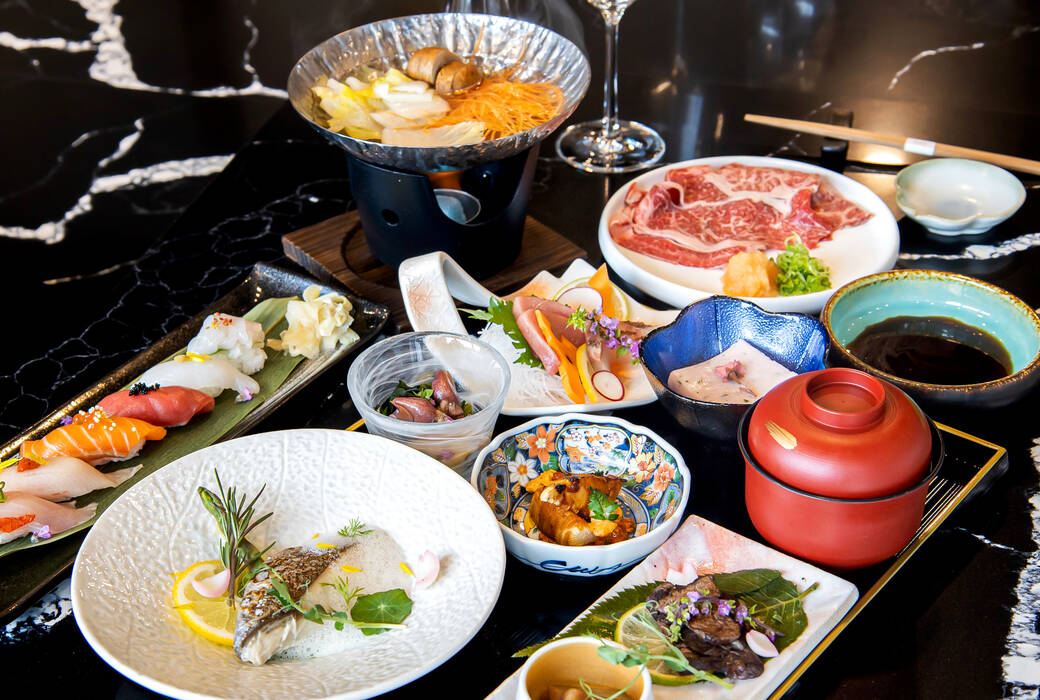
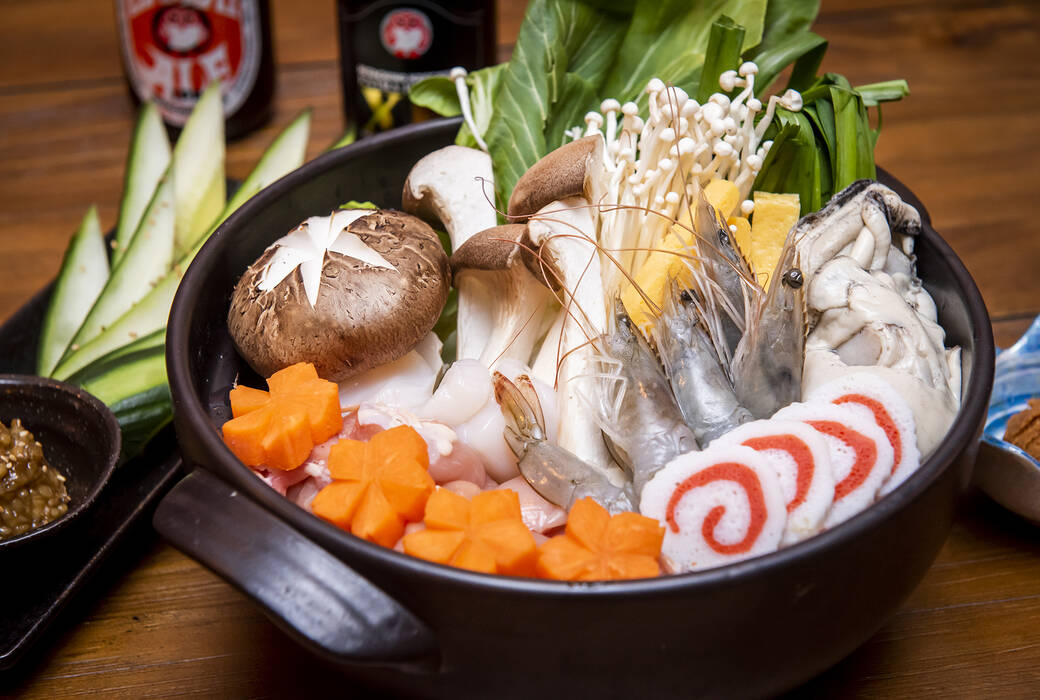
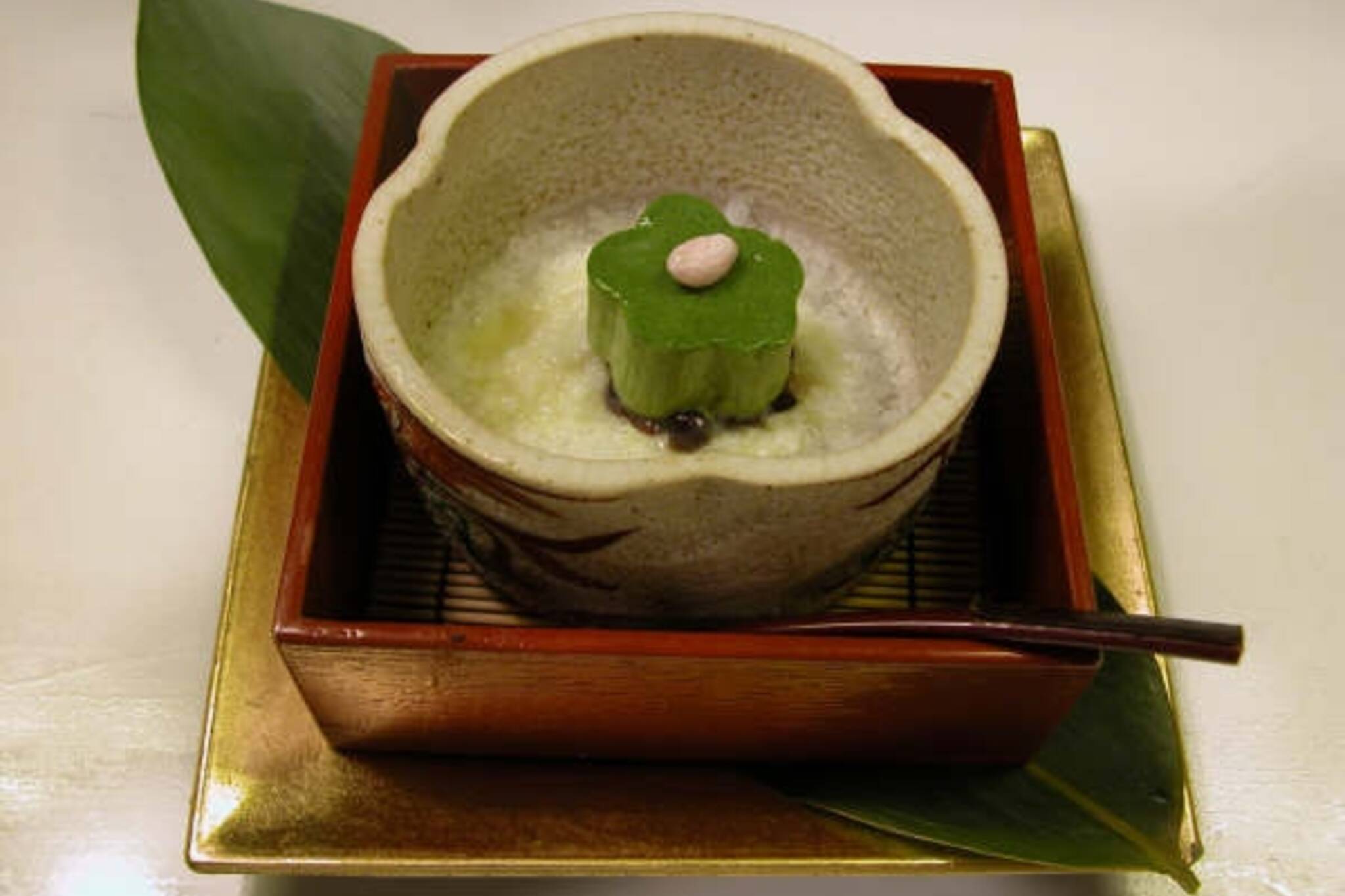
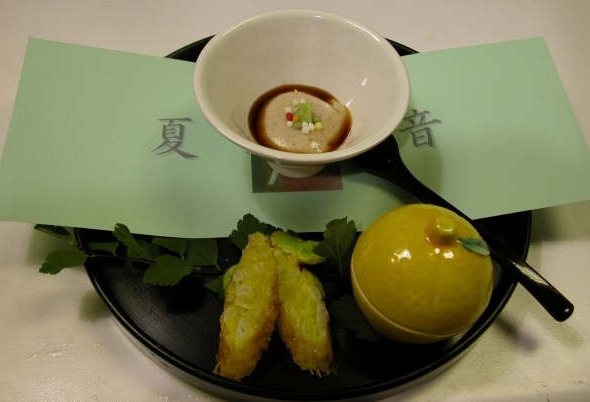
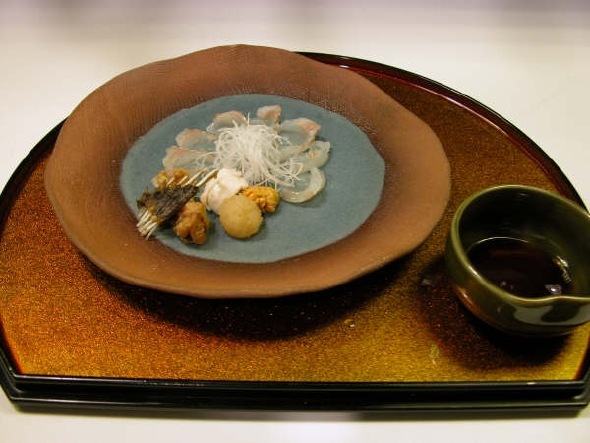
There is no menu; the chef chooses what you eat. As you can tell from the photos, presentation is a major part of the experience.
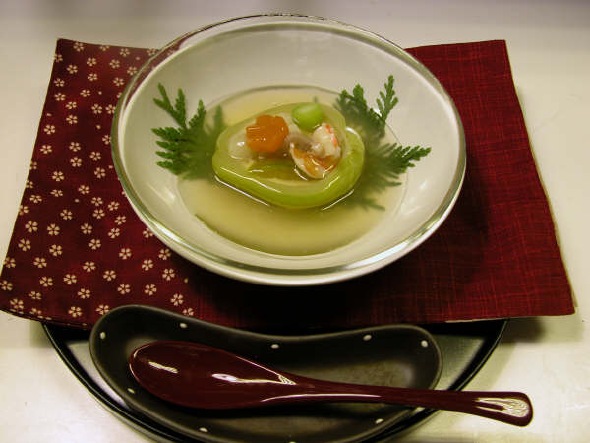
After each course was served, Madame Hashimoto would explain what each dish was and how it was prepared. Sometimes she would offer tips on how to eat certain items to maximize the flavour. Chef Hashimoto is hugely particular about his ingredients, and many are flown from Japan.
I didn't like uni , for example, until I had uni at Hashimoto's. The uni was from Kyushu, the most southerly of the Japanese main islands, where the uni is apparently best during the summer. Winter uni is from northern Japan (I had no idea there was more than one type of uni ). Our uni was very fresh, flown in from Japan the previous day, and served in the spiny shell in which it had arrived. It was served with freshly ground wasabi and paper-thin slices of sudachi , a small citrus fruit also flown in from Japan.
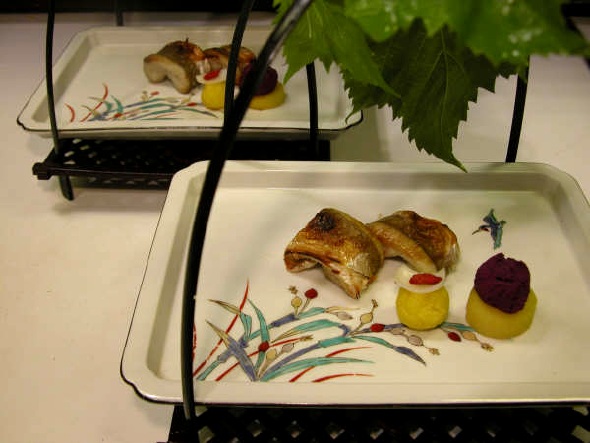
Chef Hashimoto tied for third-place in the Japanese Culinary Art Competition , which was held in Japan in August/2007. Chef's dishes were judged on preparation, appearance and taste. (Thanks to my friend John Chew for translating that Japanese Web site!)
There was no photography allowed inside Hashimoto restaurant, by the way; many thanks to Chef Hashimoto for providing the photos of the meal we had on one particular evening for use in blogTO. Believe it or not, the chef keeps a record of each customer's meals to help make sure their next meal is different.
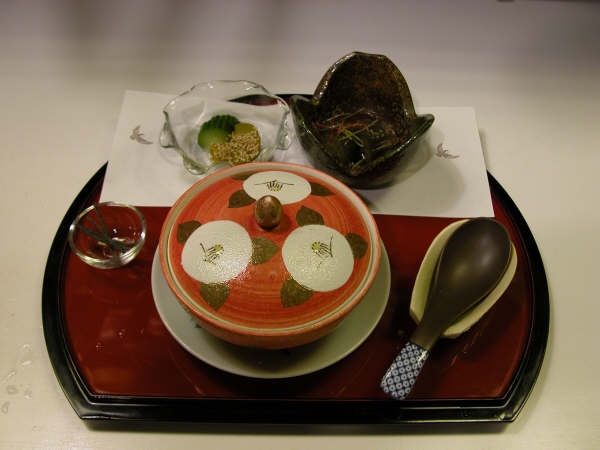
Dining at Hashimoto is not cheap but in my opinion (I've eaten there around three or four times over the past five years), it's well worth it. You're not just paying to get fed but for the whole experience: the intimate atmosphere, the authentic cuisine, painstaking preparation and exquisite presentation. Kaiseki is also usually expensive because of the extensive training needed to cook and serve it; my impression is that the prices at Hashimoto are much lower than what you'd ordinarily pay for kaiseki cuisine in Japan.
Dinners start at 7:30 pm and are available at $100 (6 courses, chef's choice) and $150 (8 courses, chef's choice); each person in your party must choose the same price tier. I've never had lunch there, but it's served from 12:30-2:30 pm with prices ranging from $25-$100. You need to make reservations at least one week in advance.
The photos from our evening at Hashimoto (pictured above) are from the 6-course meal. Again, the menu will likely differ each time you visit this restaurant. What won't change: the unforgettable dining experience.
All photographs courtesy Masaki Hashimoto.