Film
Urbanized is inspiration for better urban planning
Waiting in line to pick up tickets for the world premier of Urbanized, a new film directed by Gary Hustwit exploring urban planning from a global perspective, felt like a lesson in poor transportation planning. Taking into account the unnecessary number of line-ups required, it took an entire hour for us to enter the theatre.
Urbanized explores the best of urban design and planning in cities around the globe, from New York to Stuttgart. One dominant theme is the power of community in shaping cities. Sometimes communities are credited with the creation of interesting projects, and in other cases, with protesting large unwanted ones.
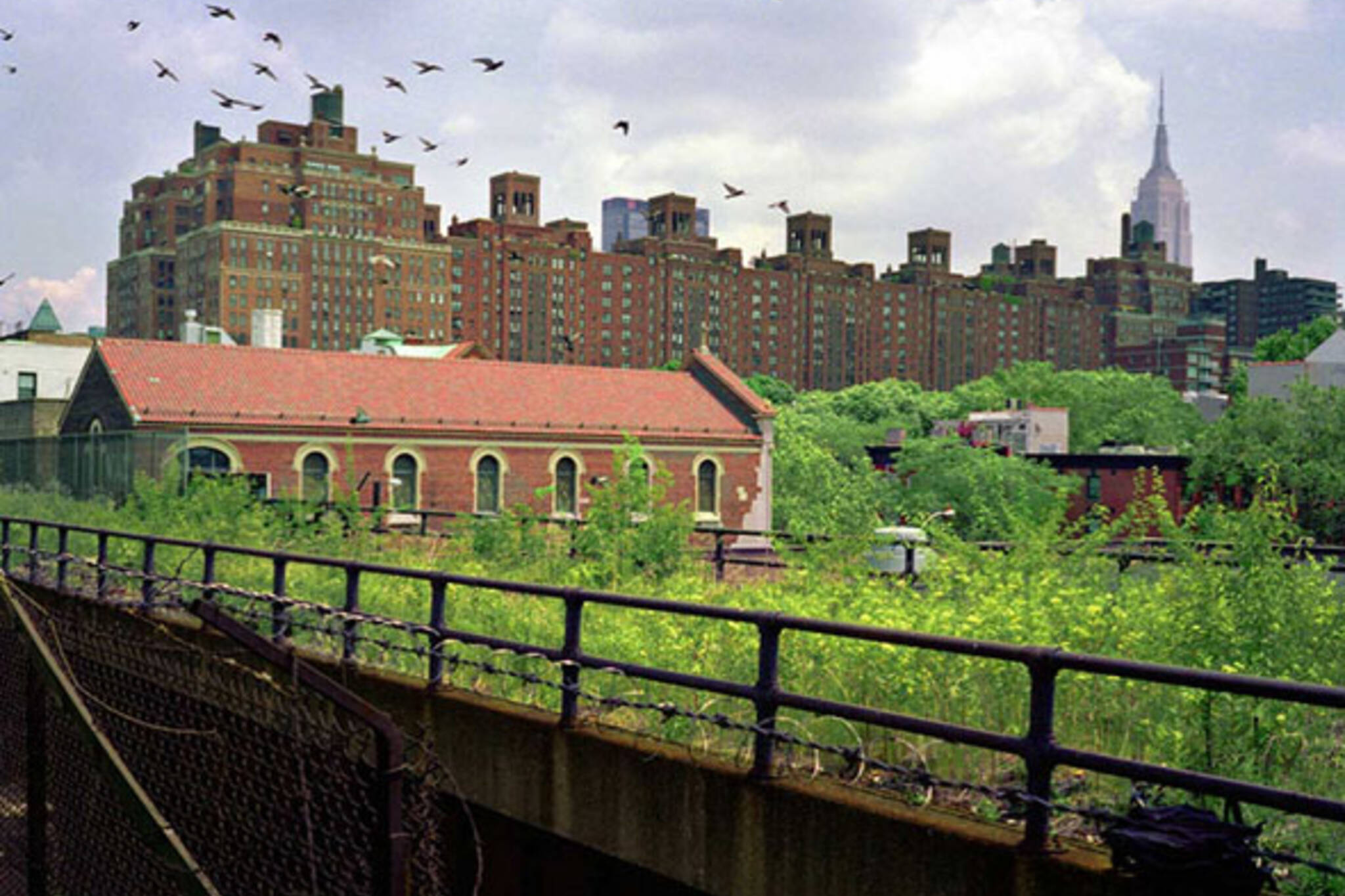
For example, Hustwit showcases the creation of New York City's High Line, the now-famous elevated park built on a former railway line. It all started with two passionate urban dwellers, keen on transforming the vacant railway site into something interesting for everyone. In 1999, Joshua David and Robert Hammond formed Friends of the High Line, and ten years later, the first section of the park opened to the public. The juxtaposition of the gritty industrial character with the bucolic charm of the High Line is an excellent addition to New York's urban fabric. This is community-led city building at its best.
The situation was shown to be more complicated in the film's discussion of Stuttgart 21. The residents of Stuttgart were concerned that the builders of a large high-speed rail project in Stuttgart, Germany were not involving the community in its construction. Furthermore, they felt the project would be environmentally disastrous. Their protests were unsuccessful, and sit-ins resulted in violent intervention by police. Stuttgart 21 is going ahead as planned.
This showcases one problem of long-term public projects. As Edwin Li, a student studying urban planning at the University of Toronto noted, although the project's leaders did in fact consult with citizens 15 years ago, the generation that participated in the public consultation was not the same as the people who are witnessing the completion of the project. Attitudes are bound to change, and in this case, they clearly have.
Overall, the film is quite successful in exploring interesting projects around the world. Hopefully it will energize Torontonians who want to play an active role in our city building projects. If this were to happen, we might be able to achieve success in improving our waterfront and our transportation infrastructure.
If the cheering audience is any indication of the future success of Urbanized, this film is going to be extremely influential in building passion for city building. Toronto is lucky to have been the first city to screen this.
A big thanks to Warrior, an Alliance film in theatres September 9th, for sponsoring our coverage of the 2011 Toronto International Film Festival.


Discussion
9 Comments
Sort By Oldest First / Newest First
Subscribe
Stop trying to create some hipster utopia - it doesn't and can't exist - not while we still support the concept of balanced budgets and functioning infrastructure. Seriously. Move to Copenhagen, Prague, Venice, Munich or Berne if you think that those are successful cities. You will soon find out that things are expensive, in short supply, and heavily regulated. You will find that your work-to-life balance leads to a meager and bitter experience. You will find hate, frustration, and indifference everywhere.
Driver-owners and cyclists cost the city half of everyday transit users. Drivers contribute 2-3x on average to city coffers to support transit, etc. So spare everyone the noble bohemian/ hipster/ cyclist/ urban hero nonsense. It is a fantasy. A fantasy that is turning this city into a financially non-viable battleground of ridiculous, extreme, barely-informed ideologies.
Want to avoid dungeon-like street-scapes like King & Bay; make opportunities available for creative and industrious types willing to work hard 40+ hours a week for $40k+; want shared and widened roads that allow the safe co-use of cars, trucks, cyclists, and peds; want dense and financially viable recreation space that actually pays for itself through private-public partnership rather than being a large open 'flop house' 'park' for the underemployed and unemployable? Great. Now you have some real 'inclusive' issues that we can all agree support the rich variety of experiences this city offers. Less Copenhagen, more St.Clair/ West King West/ University Ave/ Square One. Dense, industrious, work-able, car-able, walk-able, play-able. Maybe you don't know any better? Maybe there are so few examples of 'viable' as opposed to 'hipsterable' urban neighborhoods out here? Fair enough. Get educated, not angry, then.
And how is a community a hipster utopian invention if referring to groups of people as communities predates hipsters by decades?
"Drivers contribute 2-3x on average to city coffers to support transit, etc."
How does that work? Roads and highways are a giant, 100% subsidized government service, while transit is a pay-per-use service partly subsidized by the government. Roads are a perfect example of a tragedy of the commons. The only road in the province that isn't 100% subsidized is the 407 and it's in impeccable shape, makes money, and doesn't have traffic jams.
I'm not an "urban hipster", either - born and raised in the suburbs and I currently live there.
"Drivers contribute 2-3x on average to city coffers to support transit..."
Really?
gas taxes pay for:
- all the roads and their maintenence
- the policing costs of roads/drivers
- the health care costs of cars/driving
- the environmental costs
- the tax breaks/bailouts to auto manufacturers
- the tax breaks to oil producers
- basically our entire foreign policy/affairs budget(oil security)
AND there's some left over for transit?!
thank-you personal automobile drivers, for you are saving us all!