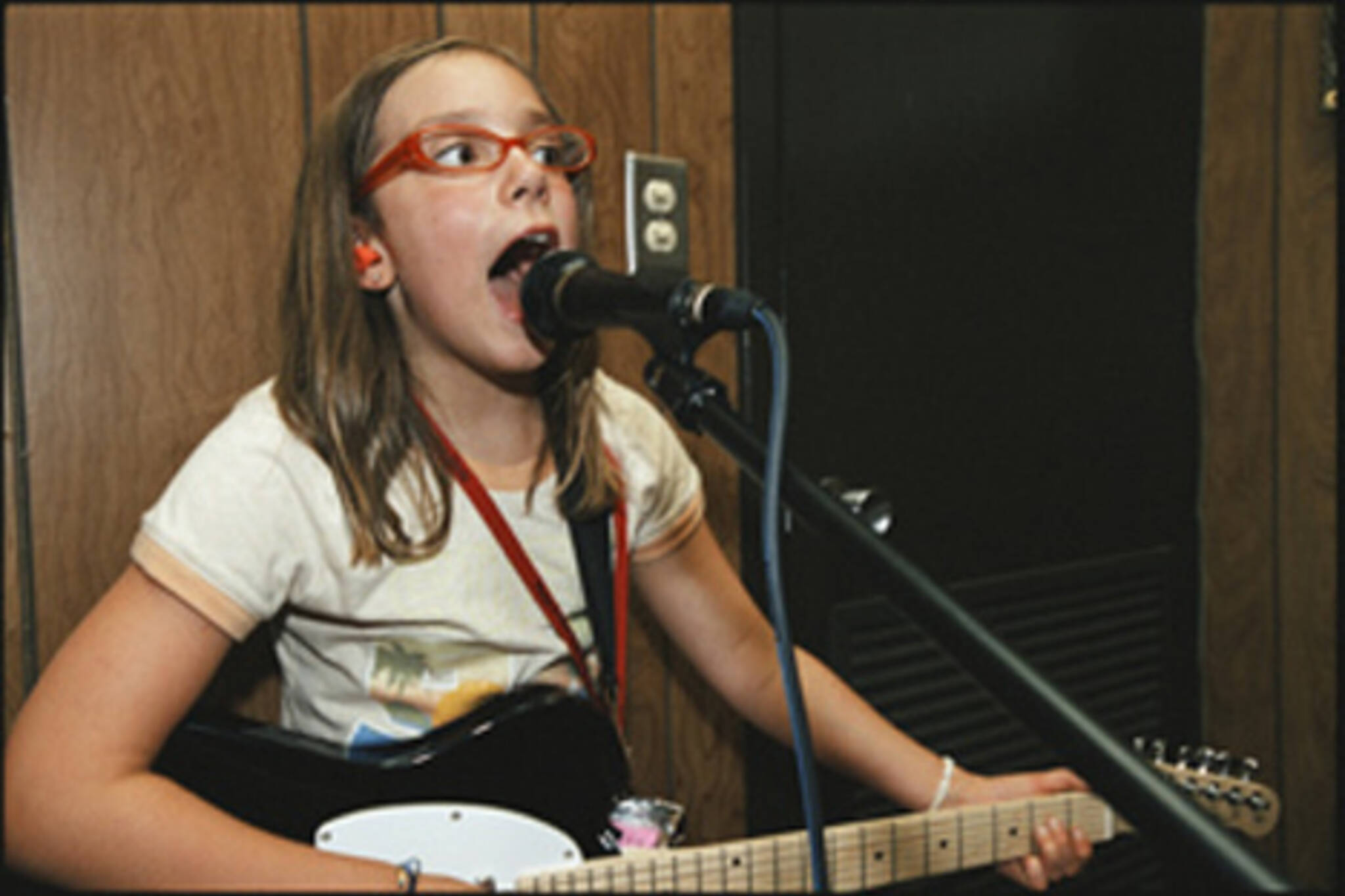
Girls Rock Hot Docs; Helvetica communicates clearly
Girls Rock, a winsome empowerment fable about an all-girls rock n' roll camp, brought the house down at the Bloor last night - although it's hard to dislike a movie where an 8-year-old girl describes how she's going to play her electric guitar behind her head at the tail end of her guitar solo, and then proceeds to demonstrate.
The flick (kickass official site is here) plays like Spellbound meets Prey for Rock n' Roll (minus the drug abuse and logorrhea). It follows four girls between the ages of 8 and 17 as they attend a five-day rock n' roll camp at a warehouse in Portland which, by the end of the film, you will wish were required education for all girls everywhere.
In between songwriting and guitar lessons, the girls are given self-defense classes and self-esteem booster shots, learning to cooperate with their peers and believe in themselves. It's all aimed at helping them dig out from under the pile of unfair stereotypes and expectations that modern North American misogyny has placed upon girls in general and tween/teen girls in particular.
Girls Rock wears its heart unabashedly on its sleeve, making a trio of detours into punky "information session"-type graphic montages which present some of the unnerving facts about modern girlhood. The film is also perhaps less polished than some of its Hot Docs peers. But who cares? It's all so damn fun. Girls Rock is worth its ticket price to see 8-year-old hellraiser Palace (yes, her name is Palace) step up to the mic for the first time and shriek "ARE YOU READY TO ROCK?!" at her unsuspecting peers; or bespectacled third-grader Amelia go into paroxysms of rock ecstasy as she throws herself on her back and hammers on her guitar.
Girls Rock screens again on Tuesday night at 11:30pm, part of Hot Docs' series of pay-what-you-can late-night films. Go into work late on Wednesday morning!
The big geek ticket for this year's festival has to be Helvetica, which is more properly described as a documentary about typeface and graphic design, but will always be remembered as the movie about a font. Maybe I just know too many graphic designers but this one had geek-drool all over it from the moment it was announced.
Now, Helvetica is good. It's solidly made and absolutely gorgeous to look at (the natural result of making a film about graphic design, I suppose, as 90% of the photographed subjects are, themselves, the height of the design art form). But you're not ten minutes into this movie when you realize the trap you've been caught in - "oh right, it's a film about graphic design." Lean back in the chairs.
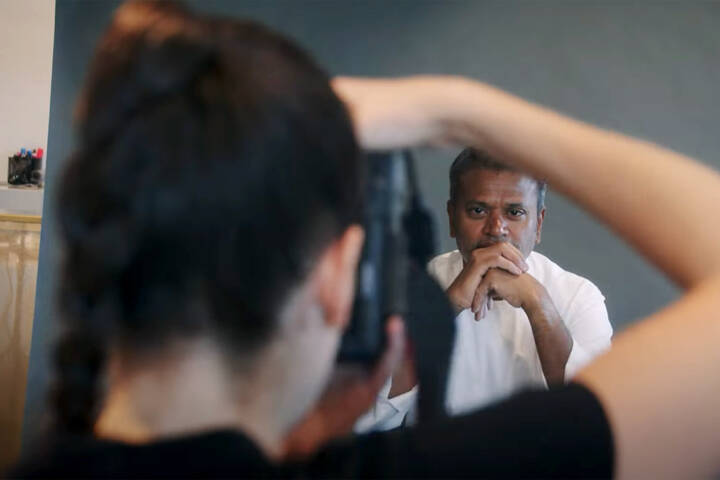
Helvetica runs a canvas survey of graphic designers, type designers, and other experts on all things font. It traces the history of the eponymous typeface back to its origins in the middle of the 20th Century, and then bleeds forward through that font's uses, rebellions, and revisions over the next fifty years.
It's a bit too long, though; once you've seen one European graphic design firm describe its relationship with Helvetica, you really don't need to see five more. Still there are terrific interviews throughout (one with a pissed-off German designer who hates Helvetica and rails against the "chic" branding that gives it its credo, all while staring out from behind his stylish Macintosh computer) and the film manages to do more with its visual sense than one might expect from what is, really, a talking heads show. Grande coffee firmly in hand, Helvetica will remain required viewing for the graphically-inclined at this year's festival.
Helvetica screens again this afternoon at 2:30pm at the Isabel Bader Theatre.
Latest Videos
Latest Videos
Join the conversation Load comments