Learning about native edible plants at the Don Valley Brick Works
The nature of Ontario's summer climate means we are fortunate enough to be able to grow a huge variety of edible stuff - all kinds of fruits and veggies, herbs, legumes, and even a few kinds of nuts.
But when you are buying foods "Grown in Ontario" it's hard to know whether big varieties like Red Delicious apples, Idaho potatoes and Bing cherries, are native to our land or if they've been brought here from abroad and grown successfully.
Under the larger umbrella of the local food movement, there's a burgeoning awareness and appreciation for growing native plant species, so on Saturday I hopped on the shuttle from Broadview station and headed over to the Brick Works.
At the Brick Works you will find a nursery that offers lots of native plants for sale and as part of their ongoing Green City Workshops, author and passionate gardener Lorraine Johnson hosted an informational session focusing on edible native plants.
With the hustle and bustle of the weekly farmers' market behind us, a small group of about 10 got to learn about edible native fruits, vegetables, roots, flowers, nuts and herbs.
The discussion started with a firm but fair warning: make sure you can identify without a doubt any unknown plant before you eat it (I couldn't help but hear that PSA jingle "don't you put it in your mouth" in my head).
Recommended resources to help you along the way included Lorraine's favourite reference books - Peterson's Field Guide to Edible Wild Plants by Lee Allen Peterson, and Identifying & Harvesting Edible and Medicinal Plants by 'Wild' Steve Brill (who was arrested for harvesting in Central Park). Plus, Evergreen has an online native plant database.
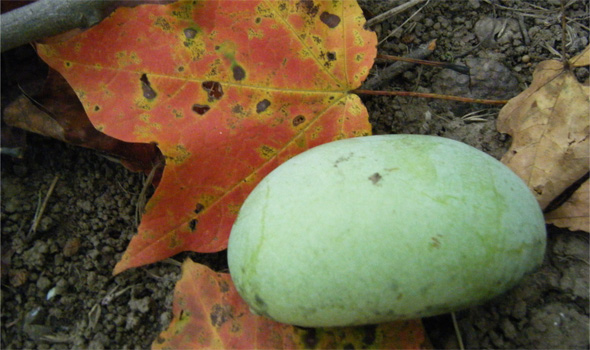
We talked about A LOT of different edible native plants, most of which I have never tasted. Tree-born fruits like the pawpaws (Canada's largest and most tropical-tasting native fruit! Think mango meets pineapple meets banana with some custard thrown in for good measure), serviceberries (aka Saskatoon berries), and chokecherries.
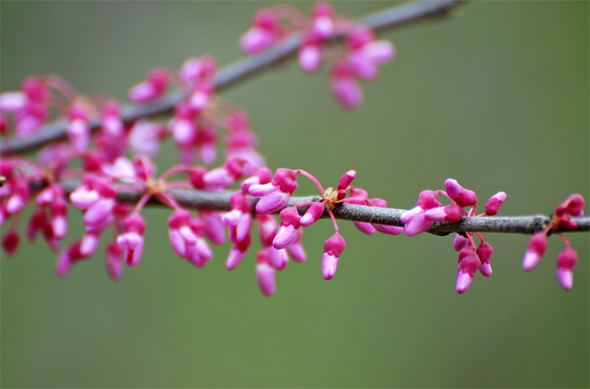
Redbud trees produce beautiful pink flowers in the spring that are edible, and Lorraine described their flavour as being just like honey.
Black walnuts are also native to our neck of the woods, if not almost impossible to crack open. The only time I have ever seen black walnuts was at a game farm in Stratford, where Fred de Martines feeds them to his boars. The shell on them is so thick and hard even they have a good time prying them open. However, according to Lorraine, the Society of Ontario Nut Growers sells a tool you can use to crack them.
Mayapples come from umbrella shaped plants, and look more like grapes than apples. The fruit should be eaten cooked, and are good for jellies.
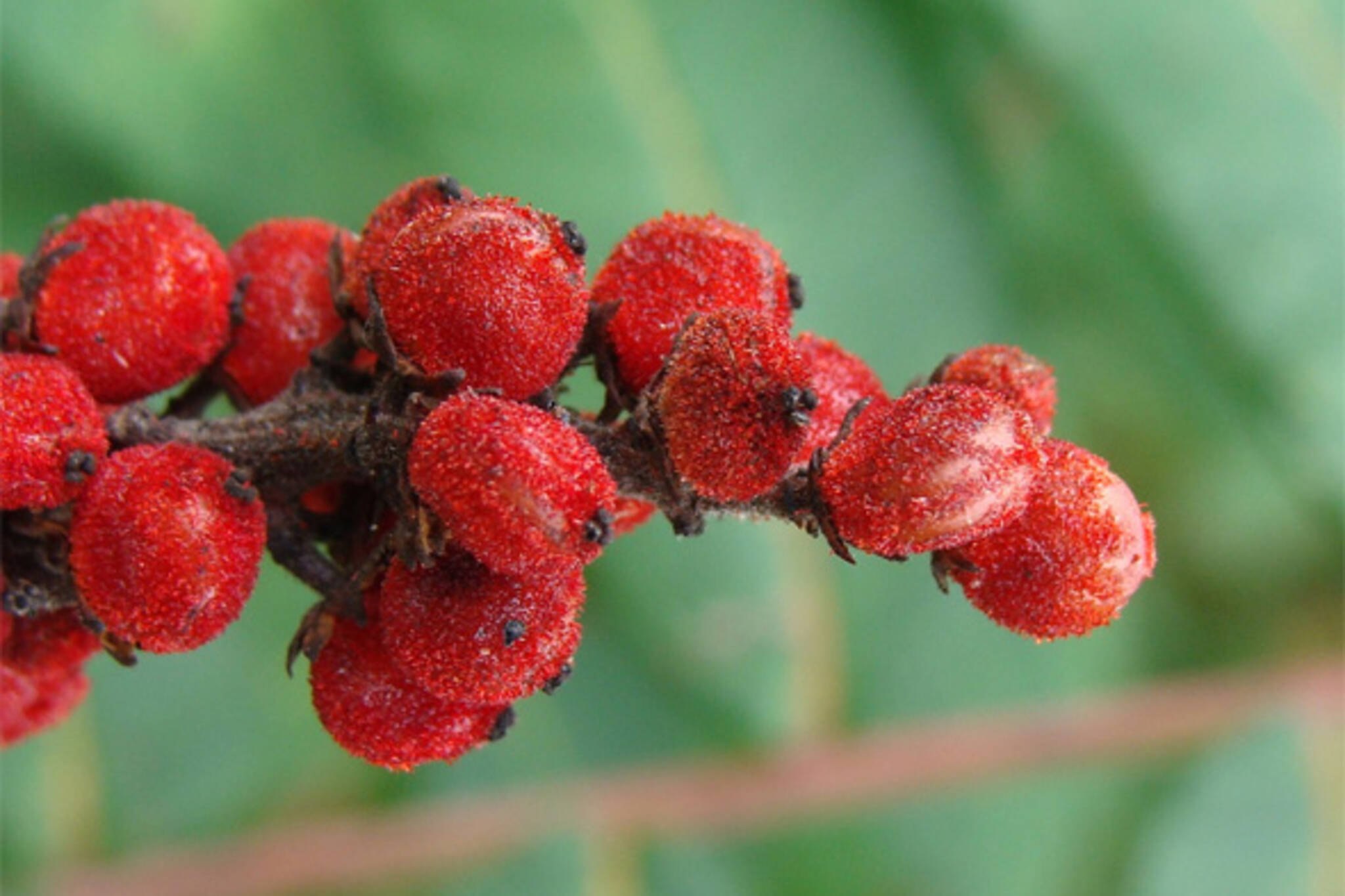
And speaking of jellies, native plants like sumac, rose hips and elderberries also work really well. Of course usual suspects like wild strawberries, raspberries and grapes work great too. Wild ginger makes for a good pairing.
For lovers of wild leeks (ramps) and fiddleheads - you don't have to find them out in the wild. If you replicate the conditions found in woodland soil (decaying wood, dead leaves, lots of nutrients) some people have had success growing them in their yards.
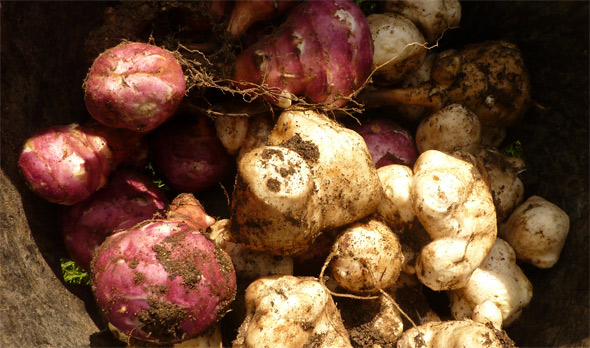
Jerusalem artichokes are tubers that make for a good potato replacement, and the list goes on and on.
We also talked about the concerns over contamination of city grown food, when it's a good idea to have your soil tested and the positive impact of the city-wide ban on pesticides.
After my crash course on native plants, I was left needing to fill a knowledge gap - I don't think an appreciation for native varieties is widespread among urban gardeners (let alone the average Torontonian) anymore. Pawpaws anyone?
Evergreen is hosting Green City workshops on topics like harvesting and preserving Toronto's urban orchard, creating bird friendly gardens and native plant pairing throughout the summer and fall.
Photos by Martin LaBar , Say Cheese , Tom Gill , and net_efekt on Flickr.
Latest Videos
Latest Videos
Join the conversation Load comments