City
What Toronto streetcars might have looked like
I suspect the most enduring image of Toronto over the last 40 years or so (CN Tower aside) is likely to be a red and white CLRV streetcar, trundling and whirring through the city's streets. What a lot of people don't know is these vehicles, designed to replace an aging American-built fleet, were almost never built at all.
In 1970s, Toronto - like just about every North American city - was practically itching to tear out its streetcar lines in favour of buses, highways, and subways. According to Transit Toronto, the TTC planned to entirely phase out its light rail service by 1980, but thanks to a concerted effort by activists in the wake of the Spadina Expressway cancellation, the Commission ultimately abandoned its plans and began seeking a replacement for its aging Presidents' Conference Committee streetcar fleet.
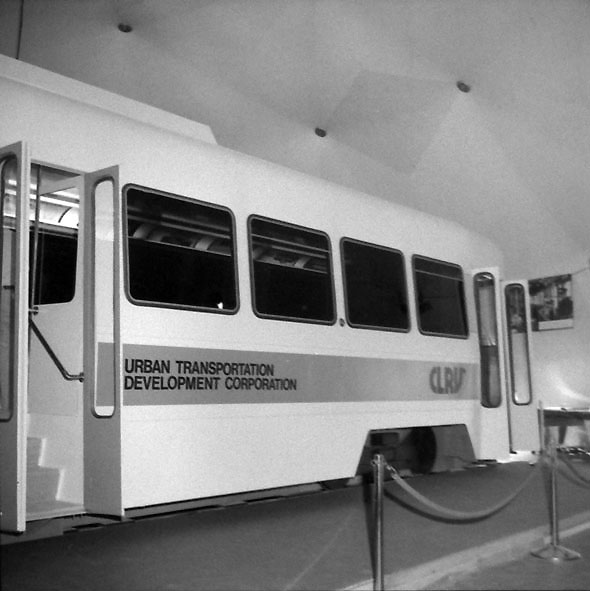
The result was the Canadian Light Rail Vehicle, a brand new vehicle designed by the Urban Transit Development Corp. for various Canadian and American markets. The prototype vehicles, the first of which were screwed together in Switzerland, were tested on Toronto streets in 1979 and entered service the same year. Unfortunately, other cities like Boston that also tested the vehicles didn't bite.
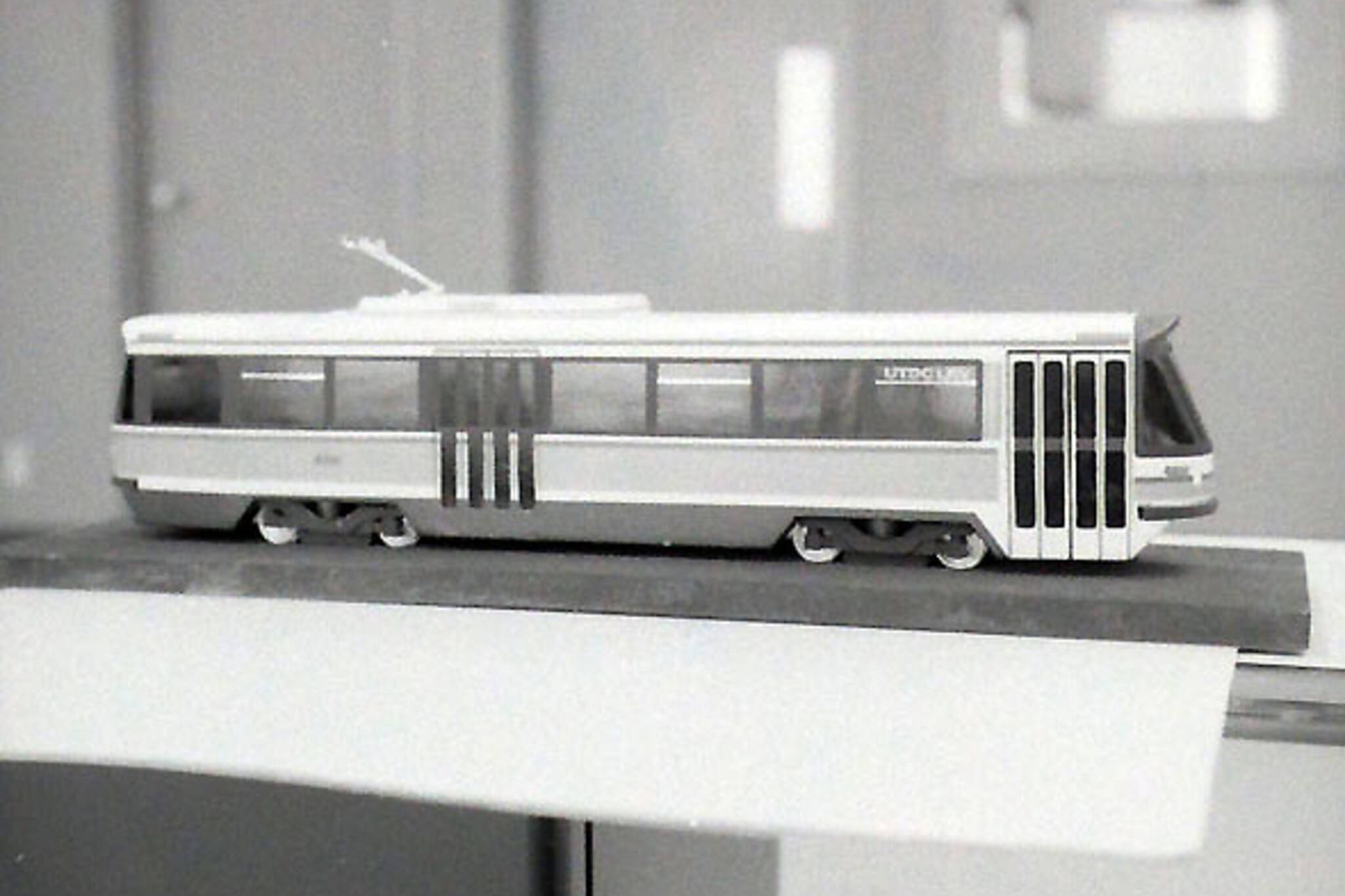
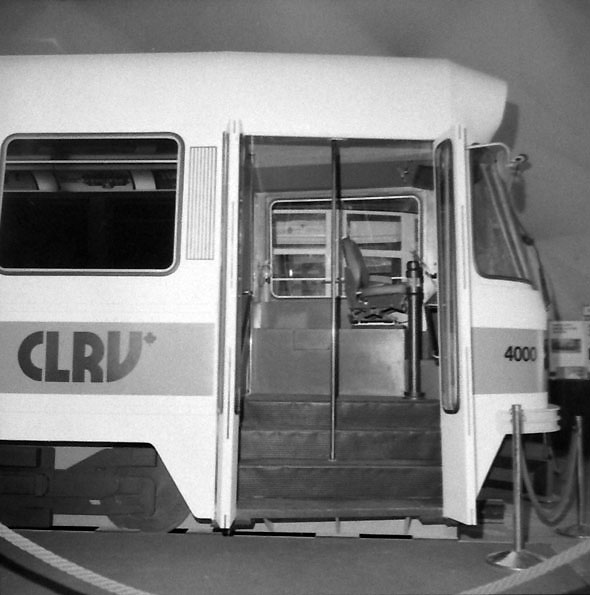
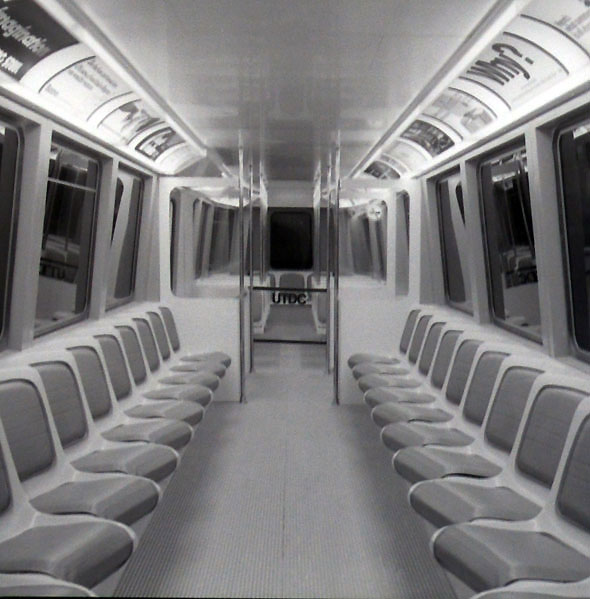
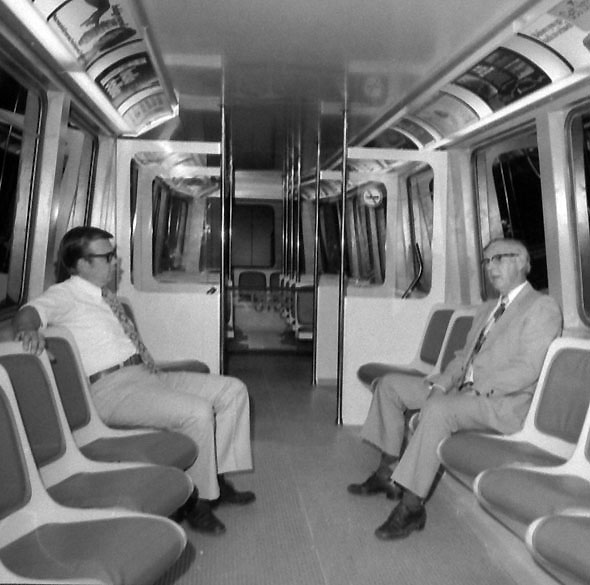
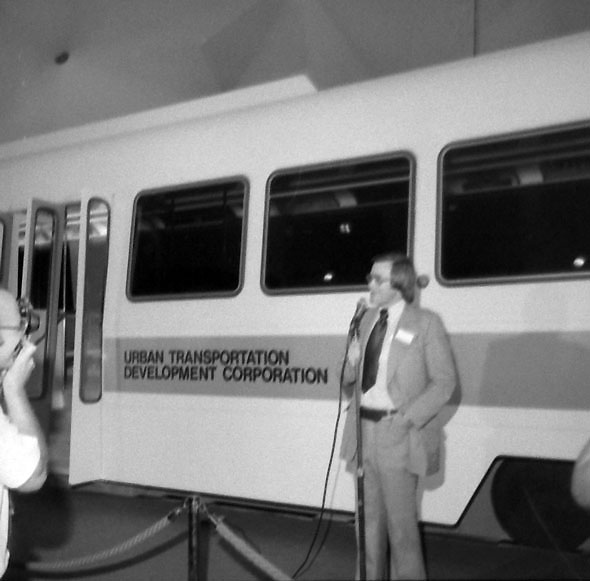
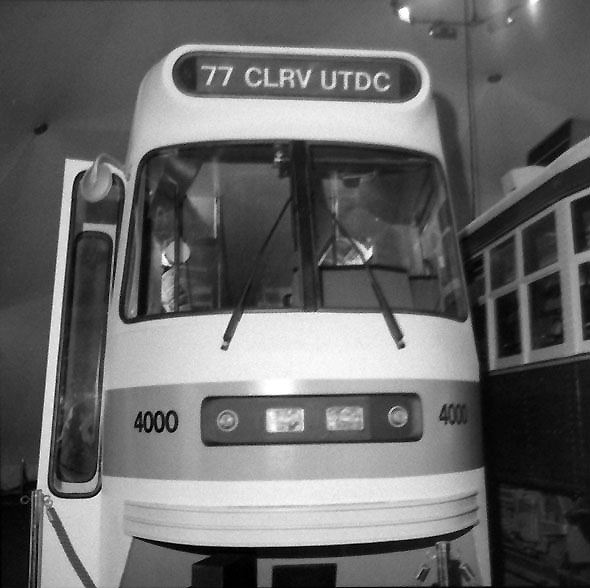
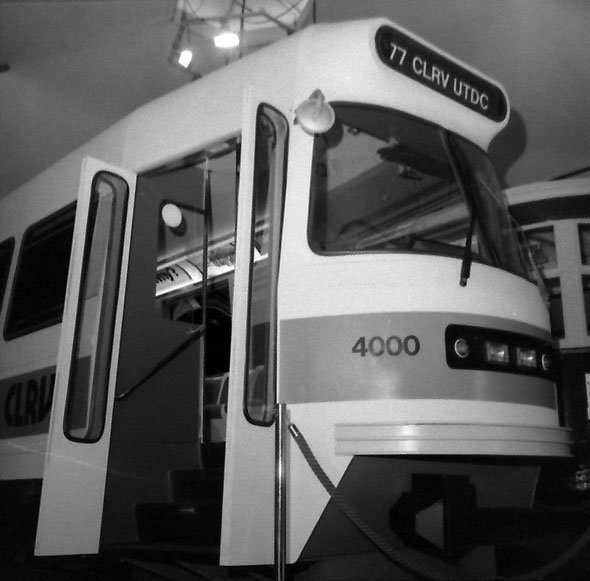
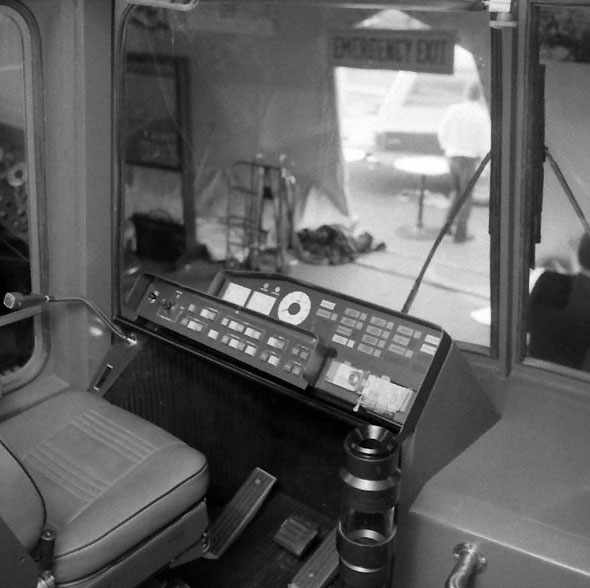
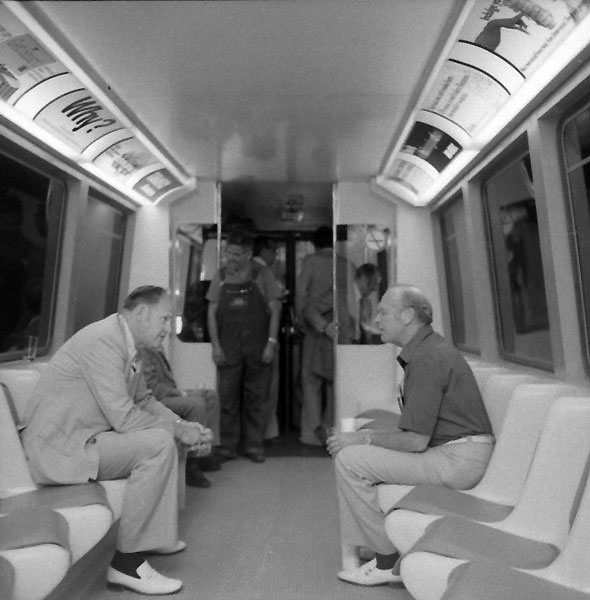
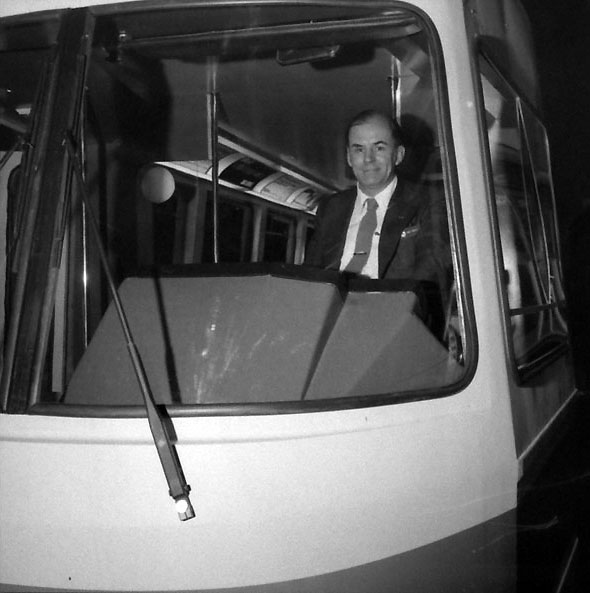
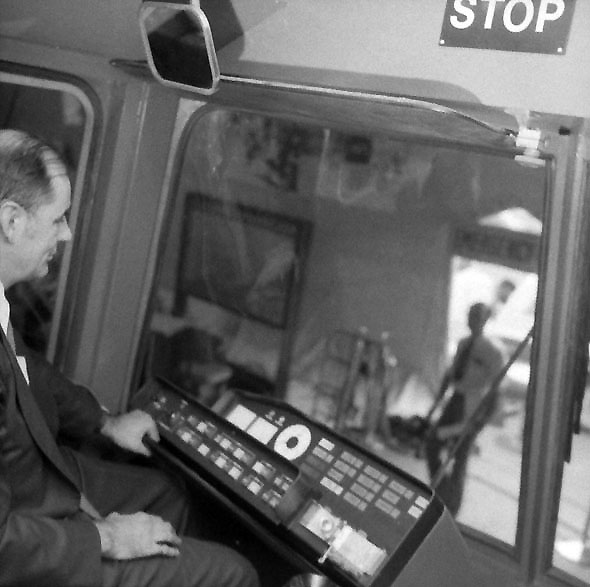
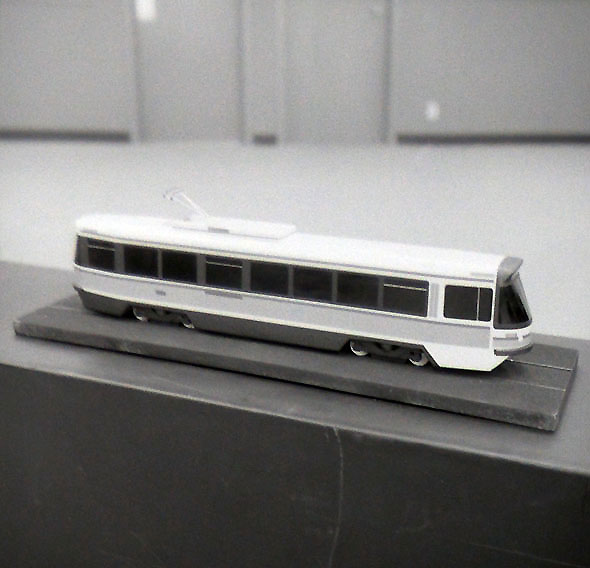
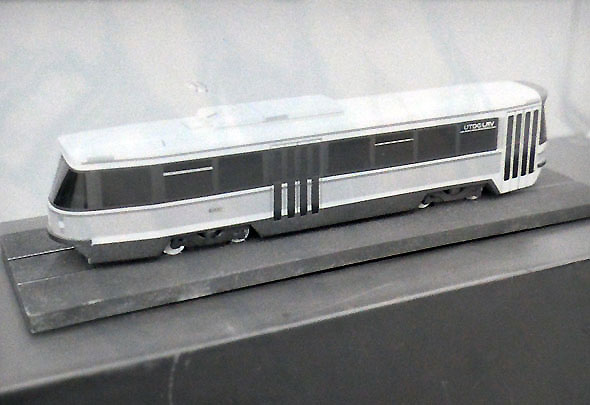
What we have here are photographs of the first prototype CLRV during a media op in 1977. Note the generic white livery and angled front seats which were fitted to the first six vehicles, but later ditched in favour of the current configuration. Also gone are the subway-style door areas and large sealed windows installed on the first cars in anticipation of air conditioning units.
Give us your thoughts on the prototype. Streetcar 4000, the one pictured here, is still in active service on the system like all but one of the CLRV fleet. (edit: this is actually a full-scale model.) Bonus points for spotting the real number 4000, the first CLRV to roll of the production line, on the street. It's still out there.
MORE IMAGES:
Chris Bateman is a staff writer at blogTO. Follow him on Twitter at @chrisbateman.
Photos: City of Toronto Archives


Discussion
19 Comments
Sort By Oldest First / Newest First
Subscribe
San Jose's VTA was the only US customer for UTDC, although they later sold their vehicles to Salt Lake and Sacramento. Photos:
http://www.railpictures.net/images/d1/3/7/8/3378.1085443680.jpg
http://www.streetcarmike.com/scvta_utdc.html
http://www.flickr.com/photos/10677920@N05/4981324042/ (in Utah)
http://farm1.static.flickr.com/131/320835967_844849d292_o.jpg (in Sacramento)
As for Boston, yes, they did look at the CLRV but never bought it:
http://snurl.com/265tgj1
http://www.flickr.com/photos/ck4049/5107408650/
http://stevemunro.ca/?p=6601
I think you meant to say that they were screwed together in Switzerland by SIG.
All six of the SIG-built CLRVs are still in service (nos. 4000-4005). According to some streetcar operators, they offer a better ride than the later UTDC vehicles.
This one:
http://www.streetcarmike.com/scvta_utdc/vta_utdc806_3_dec1999.jpg
appears to have designated spaces for bikes. We can only dream.
Quite the opposite, these streetcars are poorly designed. When you face inwards, you are more likely to have people bumping into your knees, scuffing against your shoes and putting their bags/crotch/rear into your personal space. Also, you can see that there are no handrails or anything to hold on to if you are standing which makes it even more likely to fall into someone who is sitting.
Actually this was a non-working mock-up designed in '77. 4000-5 weren't built until '78-'79 and were built to built to the design you see operating today. The only significant change made was the removal of the 45 degree angled seats in the front (only about 6 per side when delivered) with a more conventional design, and the addition of opening windows.
As a bonus to your bonus, what if I said I've driven it, and about 3/4 of its sisters too? And I will attest to those SIG (Swiss Industrial Group) cars generally offering a better ride than the remaining ones. But even then, we've only lost 1 car in over 30 years of daily service, and that was due to a cancelled rebuilding program, and not an accident. Kudos to the men and women who not only designed, but help maintain the fleet. Not many systems can claim that kind of life out of a "new" vehicle design.
PCCs were still a very common sight on the streets until the end of the 1980s so maybe the last 20 years but not 40.
Eh!
Let see... CLRVs went into servive during 1979, and we are now in 2013, so that's 34 years, tops, by my reckoning.
lesson learned: Ontario should stick to assembling other people's vehicles and leave the design initiatives to the more capable.
Although privately owned, a very similar company called United Streetcar has been started in Oregon to produce Czech streetcars for the US market, just as UTDC was created to adapt Swiss designs. http://unitedstreetcar.com/