City
Morning Brew: Toronto Star Planning Major Restructuring, John Tory Polling Well, Lottery Con Dupes Senior, 2010 Capital Budget gets Transit Focus, David Chen's Kidnapping Charge Dropped
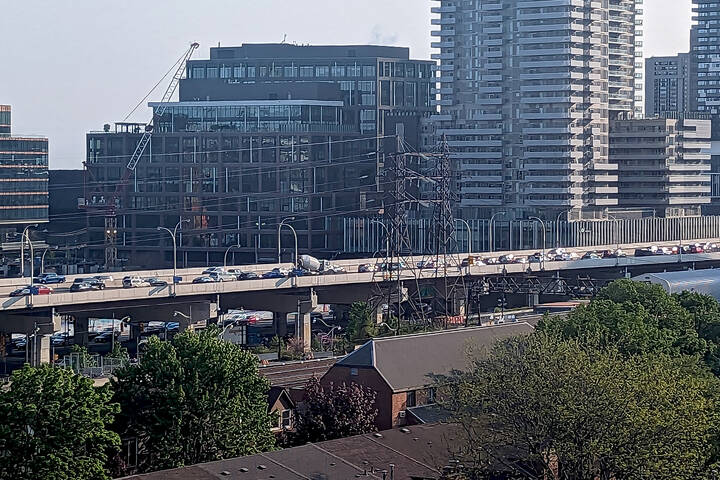
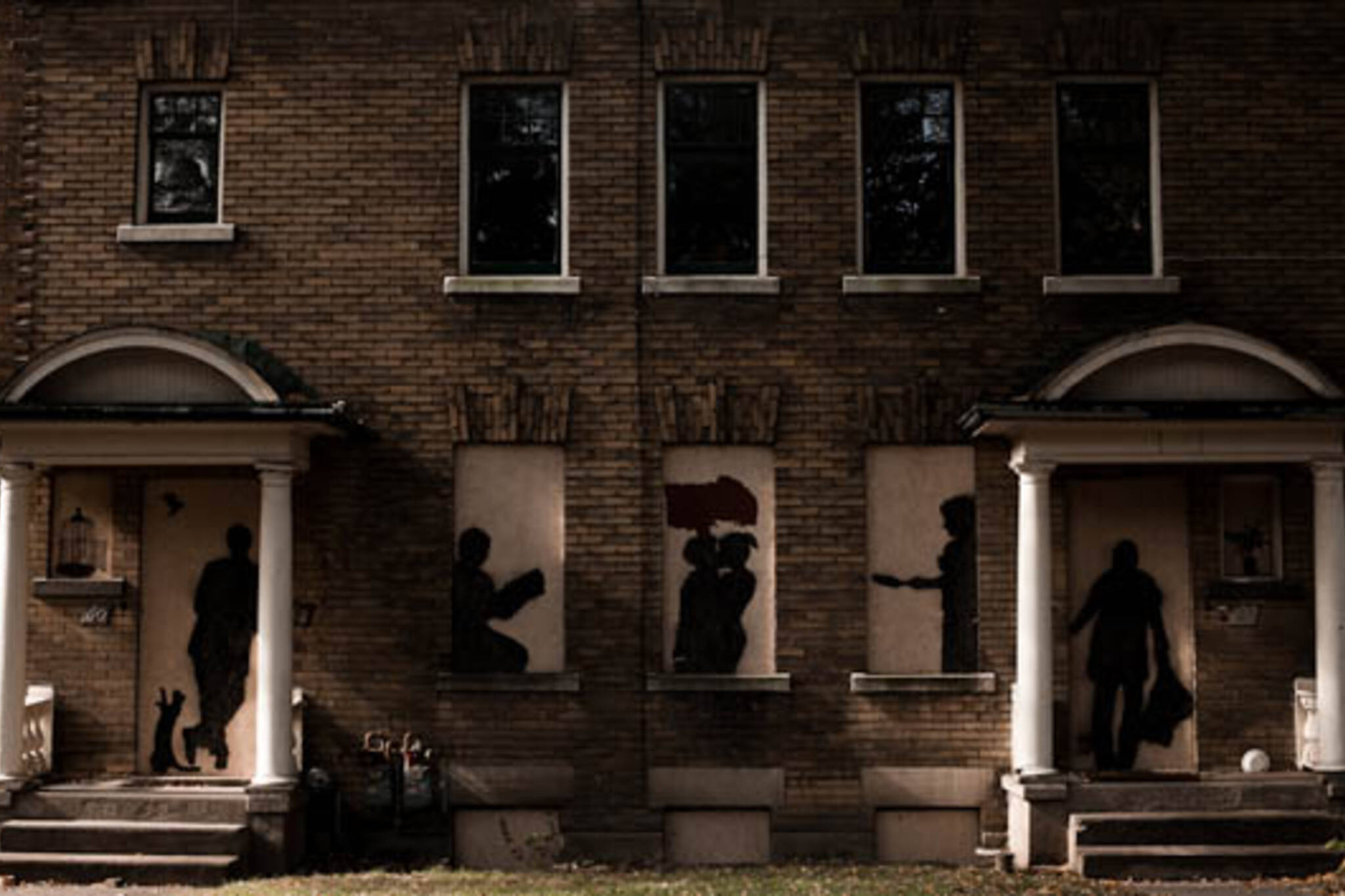
Photo: "60 Havelock St. #01" by Michael Pierro, member of the blogTO Flickr pool.
What's happening in the GTA (and sometimes beyond):
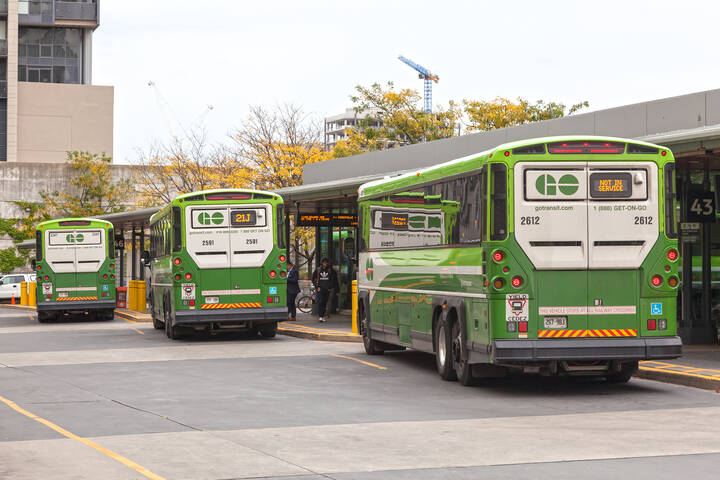
Toronto's capital budget for 2010 will focus largely on transit initiatives including spending $217.6 million on new subway cars (nice, but crucial?), dedicating $72 million for new buses (much needed, in my opinion), and injecting $22.6 million for new bike lanes (which will make cycling advocates happy and drivers unhappy) . We're also likely to see a TTC fare hike in the New Year.
Given that the 2010 race for mayor is still a long ways away, it's not surprising that an early poll (PDF) shows almost half of Torontonians undecided on which would-be candidate they'd support. It's also not surprising that John Tory leads in polling, given that he's able to campaign daily on the radio.
Police in Etobicoke are warning residents about a con involving a couple of "non-citizens" who claim that they're unable to collect lottery winnings due to their status. I know most astute people wouldn't take strangers they just met in a bus shelter to an ATM and give them $18,000... but it did happen to one very unfortunate senior.
The Toronto Star is planning a massive restructuring with aims to dramatically lower operating costs, including offering voluntary departure with severance and contracting out copy editing and pagination jobs. Expanding the plan by doing the same with editorial production also a possibility. I can't help but feel that the quality of reporting will be greatly affected by such drastic staff and workflow changes.
It happens every year - the first sign of any winter-like weather, and we see significant and numerous road accidents. Drivers are unprepared to adjust their driving to the conditions and the result on the 400 north of Barrie were disastrous yesterday.
And Chinatown grocer David Chen saw the indictable kidnapping charge against him dropped, but still faces assault and forcible confinement charges. Instead of being tried by jury, his fate will now be sealed by a judge, 8 months from now.


Discussion
22 Comments
Sort By Oldest First / Newest First
Subscribe
Yes crucial. Every day the TTC still uses dozens of subway cars built in the mid 70's. They aren't going to last another 10 years, unless we spend big bucks to refurbish them. Now is the time to start getting rid of them.
Neither Miller nor Giambrone have the gumption to stand up to the unions and do what's right for TTC riders.
http://www.bladediary.com/silhouettes-and-shadows-5/
That said, according to Steve Munro's website TTC has screwed up the order and hasn't ordered enough to run a full service.
There is no way I am voluntarily paying $3+ for a TTC ride.
Even if mode share *doesn't* increase, this city is growing at an annual rate of 0.2%. Do we have some great cache of land that we can use to build roads and parking to keep up?
Second, better places for cyclists is not necessarily a bike lane, and I really don't think the reason that will draw more people into riding a bike to work is a bike lane.
If you respond, please answer this question: Do you think it is reasonable for someone to ride a bike into work in Jan/Feb? Because unlike many European Towns, we get heavy snowfall. We are not Europe, Europe isn't Asia, Africa isn't South America, etc. This is North America. Most of the most frustrating and bizarre regulations come from Europe. It is a beautiful place, but it is so far from utopia.
Also, as for riding a bike, you almost have to scratch off anyone that has children and has a moderate distance to work and daycare, you scratch off many seniors that have several barriers to them riding a bike. I'm not sure if you've thought about this before, but if you have 250,000-600,000 people riding their bikes to work everyday, mixed in with drivers the roads would not be safer and due to the amount of time it would take to bike, the buildups from bikes alone would be crazy.
Why don't people spend a moment looking deeper in their numbers and figures and see what the end reaction is to massive decisions like this. We have a city government right now that makes decisions based of surface discovery.
Sure thing:
1) Underused bike lanes? Sure, the ones in the burbs from nowhere to nowhere are lightly used, but ones such as those on Harbord or College are heavily used. If someone were to build a subway from Newmarket to Stouffville, nobody would be surprised at low ridership. Why are people surprised that a bike lane on Finch from Nielson to Morningside is underutilized?
2) Reasonable to commute by bike in the winter? Absolutely. I'm a year round cyclist and have no problems with it. During heavy snow or ice I will take transit. Other times the roads are often as clear and dry as the summer. And the low temps are not a problem any more than it's a problem for an ice skater or someone cross country skiing. It should be noted that winter cycling is not unique to Toronto, Edmonton, Winnipeg and Quebec City, who experience far worse winters than we do, have a goodly number. For that matter, the second best city for cycling mode share in North America is Minneapolis, colder and snowier than here. Boulder, which gets far more snow than we do manages to keep their lanes clear (http://www.m-bike.org/blog/2008/12/19/snow-plowing-copenhagen-style).
Sure, cycling doesn't work for everyone, that's what the other modes are for. That said, it works for a far greater number of parents and seniors than you think.
As for the additional cyclists, decrease the number of cars, take more street space to make up for it (horrors!) and I'm sure we'll fit together just fine. The Yonge and Bloor intersection sees about 30,000 cars per day now, drop the number of cars coming in to the city by 250-600k and that number goes down. With that many fewer cars, less on-street parking is required, and each bike that replaces a car takes up a fraction of the space that the car it replaced does whether in traffic or parked.
I'm not saying get rid of all cars, but there have to be provisions for other, more efficient options. If the only tool you have is a hammer, you see every problem as a nail. We need to some other transportation tools in our municipal toolbox.
The most efficient solution is a large and comprehensive subway system. End of discussion. I think that is a topic that both sides of the transit/driver debate can get on board with. Am I wrong?
Why is this an either/or discussion? Seems like subways would do a good job of clearing the roads for bike lanes, bike lanes would continue to do the job. You can't argue with the price: The entire 1,000 km bike network called for in the bike plan: $75M, the proposed 2KM Front Street Extension: $170M, LRT construction: $30/50M/km, subway: $200-250M/km.
But hey, seems like I'm not going to give up saying that bikes, transit, pedestrians and automobiles should all be considered in city transportation planning and you're not going to stop insisting that subways and cars are the only way to go. And in the meantime I'll just keep taking the lane as I have been when there's not a bike lane for me.
Bike lanes are a cheap way of trying to appeal to bikers or "greenies" as if the government is doing something. Subway is best decision. And I will never be towing my kids along to preschool in winter in a little rickshaw downtown. That is unsafe and just crazy.
Glad you agree that bike lanes are cheap, David. At 0.03% the cost of a subway, they're a lot easier on taxpayers' wallets too.
Bike lanes are to infrastructure what a new paint job and vacuuming is to a home remodeling.