City
Screw Forest Fires, Only You Can Stop the Drink Tax!
Have you conditioned yourself against yelping in pain when you get your pay slip, and see the amount taken off in taxes, front and center? I'm still working on that (much to my coworkers' chagrin) and living in the city of Toronto really isn't helping much. We're already paying through the nose for things like gas and garbage collection, one would think you could stumble home, shed a tear and down a much needed brew in peace.
Opening that bottle could easily open those weeping floodgates if you think too hard about all the taxes you already pay for such divine pork soda. Add the fact that Ontario has given the City of Toronnah the option suck a little more nectar out of that bottle before it even gets to your mouth, and it can make you not even want to get out of bed.
You think it ain't gonna happen? My guess is that 10% sounds awfully nice...
--
"Enough is enough!" screams the No Drink Tax website. Sadness swept over me as I read about how much money is already going to the provincial and federal governments; a whopping 58% of the price on every can, bottle, and paper box container (with convenient and much appreciated spout!) to be exact.
That a lot of cash being grabbed already, and Mayor Miller sure isn't one to get gun shy when it comes to trying to fill up the cookie jar. Maybe we won't really notice. After all, we've finally learned to accept and live with other forms of highway robbery.
But then again, no other municipality in the country charges tax on alcoholic beverages. In Montreal, I used to be able to buy a 24 for $24, and it wasn't piss either. Finding what would amount to a deal like that in Toronto would necessitate an impromptu tap dance, but with up to an extra $3 added to the bill it looks like the city will be spared from my latest routine (it's really hot too, choreographed to War Pigs).
Sure, a few bucks might not seem like much in the grand scheme of things. But consider the amount of taxes you already pay. Other "fees" for services that one would expect those taxes previously mentioned would cover. How about the regular GST and PST we already pay on everything? It still might not seem like much if you're on Mayor Miller's $160,000 a year salary. He also doesn't pay parking fees in any city lots, doesn't have to pay for a simple newspaper, and enjoys free use of the luxury box at the Rogers Centre whenever he pleases. I wonder if he tips 15%...
Rant aside, everyone is allowed their opinion. If you want to express yours to the people who'll be making this decision, be sure to visit NoDrinkTax.ca where they have easy to use forms that allow you to send email to the Mayor's office as well as select city councilors of your choice.
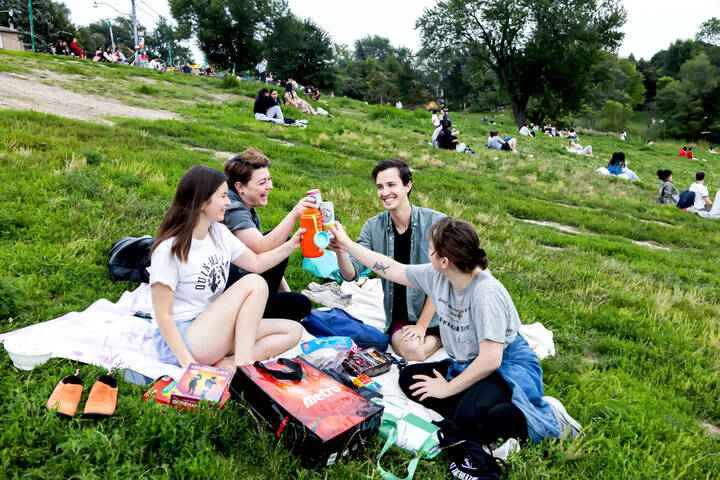
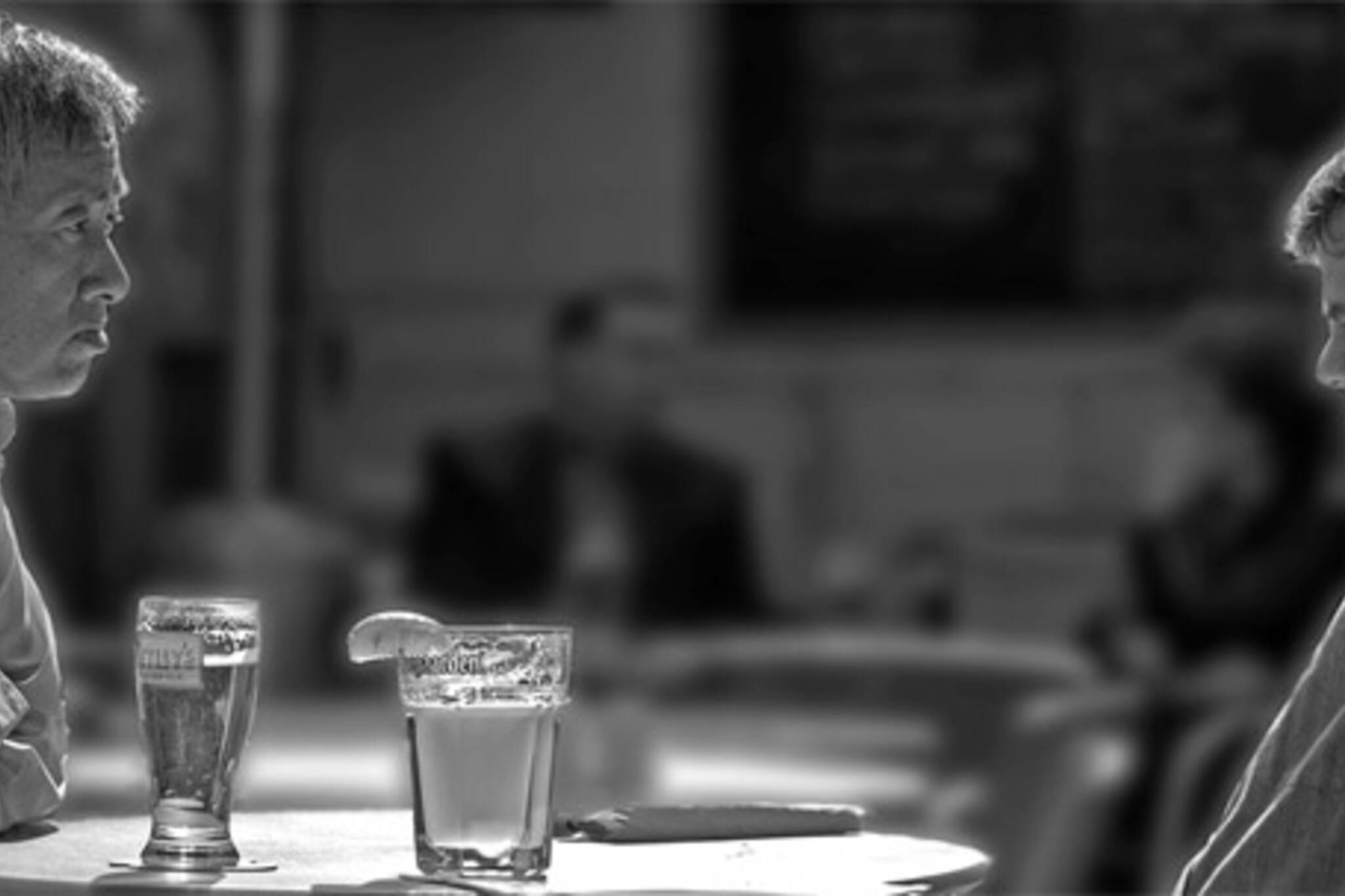
Photo by Whogan as posted to the BlogTO Flickr Pool


Discussion
5 Comments
Sort By Oldest First / Newest First
Subscribe
But I digress.
In the end, the drink tax, which according to City documents is being considered at 5% rather than the 10% that the Beer lobby is suggesting, isn't a big deal. Beer is a luxury. If I'm going to enjoy a beer, I'm okay throwing a few nickles into the public purse while I'm at it.
I'm not saying I love the idea of paying more for every drink I buy but I know I'll love more investment in my public services and infrastructure. If the cost of a better city is a few cents on every drink, $2000 if/when I buy a house and an extra buck to park the car I don't have then so be it.
What I'm not willing to put up with, however, is public programs and infrastructure continuing to starve because of the painfully ideological politics of Harris and Chretien era tax cuts.
If there's one thing I learned as a student during the Harris years, it was that you can't buy something for nothing. And I want to buy a city that I can be proud of and raise a happy, healthy family in so I'm willing to put in my fair share.
There's lots of taxes that in the scheme of things "wouldn't be a big deal". $100 to wear an Ottawa Senators shirt in public seems about right to me. But that's not how tax policy should work - it shouldn't matter that "it's not much". The questions I would ask are:
1. Does it contribute to stable future financing of Toronto?
2. Does it punish a bad thing, and does the revenue go directly to financing an alternative good thing? (i.e. parking tax to go on transit, a booze/cigs tax ringfenced for public health, a plastic bag tax ringfenced for environmental projects)
3. Does it punish proportionately to the degree of the impact? Why do some people still have flat rate water meters??
4. Does it punish equally? [Like the proposed car registration tax that won't affect 905ers who drive to work in TO but will affect 416ers who take transit to work]
5. Will the increased revenue improve services/refill the $1bn in reserves looted in the last four years - or be swallowed up by increased wage demands by city employees?
6. Does it encourage the city to pursue bad policies? The proposed land transfer tax makes the city a beneficiary of increasing property prices which affects the affordability of housing, and also affects resale houses which have no extra impact on the city compared to the house next door which is remaining in the hands of existing owners.
We need a new property tax, not just based on value but on the amount of land the house sits on and other impacts on city services. We need McGuinty to raise PST to 9% and to give every municipality, not just Toronto, 1-2% of it. A share of provincial income tax would be nice too. We need to be sure that new dollars for Toronto will decrease the infrastructure repair deficit, not merely tread water, as well as expanding new infrastructure like more transit and more waste reduction/recycling facilities.
...One thing that encouraged me in the staff presentation at the consultation on revenue tools in Scarborough was that they talked about reporting methods to track how the extra dollars are spent and what the new/enhanced services are achieving.
Also, I wouldn't have a huge problem if all new revenue streams went into general revenues and spent as Council sees fit on a year-to-year basis. 10 or 20 years from now we may want to do different things with, say, the land transfer tax than whatever is decided on in the coming months. To me, it's all about priority setting and that's something each new crop of politicians should be responsible for, in consultation with the people of the city.
But, Mark, I don't quite get how your logic works on the land transfer tax encouraging the City to pursue policies that would boost property values. Are you suggesting that the City would more actively promote gentrification because it'll get a little more money if/when someone sells the house in a gentrified neighbourhood?
C'mon boys - duke it out yourselves: only one of you gets to tax my beer.