City
Torontonians Can't Read the Signs
The Star recently posted a story about how difficult it is to cross streets where pedestrians have to wait for the white walk signal to appear. A specific intersection is named and local resident Barbara McNamara describes crossing said intersection "a scary experience."
It's also noted that the experience is only scary when pedestrians attempt to cross the street when the pedestrian "big red hand" signal is illuminated. You know, the signal that means don't cross the damn street. The dangerous-ish intersection in question has buttons on the poles that will give pedestrians the walk signal they so desire so long as they simply press it once. The Star even noted that "most people know enough to do that."
Barbara obviously hasn't figured it out yet. Is there a solution to this problem, or is "the hand" more than enough to keep you from becoming road meat?
--
It was once brought up in a Montreal rag that pedestrian-specific signals made crossing streets confusing and dangerous. In some ways I can agree with the thought; green means go and red means stop, so a big green light would ideally mean that anyone facing it could cross. Drivers, ideally, would look around and choose not to run you over, even though you both had the green light. Multiple signals could confuse matters. Green light = go = simplicity, right?
This doesn't take varying car traffic signals into account, though, wherein different lanes are granted access to turn and move before others. Some intersections, like Lakeshore and Bay, are so busy that pedestrians are specifically instructed to cross over only from one side of the street. Add right-turns on reds into the mix, something that doesn't even exist in Montreal, and I can only think that pedestrians specific lights would both help keep the roads safer by keeping things as straight-forward as possible.
Jack Lakey, the article's scribe, seems to be siding with the dim pedestrians on this one. He's trying to get in touch with someone from the city so they can look into the "issue." With clearly defined signals designed with the public's safety in mind, as well as the buttons to trigger the pedestrian signals readily accessible (even for the shortest of people) I ask you, just what is the issue? You might as well let me know, as it seems the city's media go-to guy isn't quick to get Lakey his answer.
Until then, press the button and wait for your signal before crossing. You wouldn't like it if a car decided to drive through its red light.
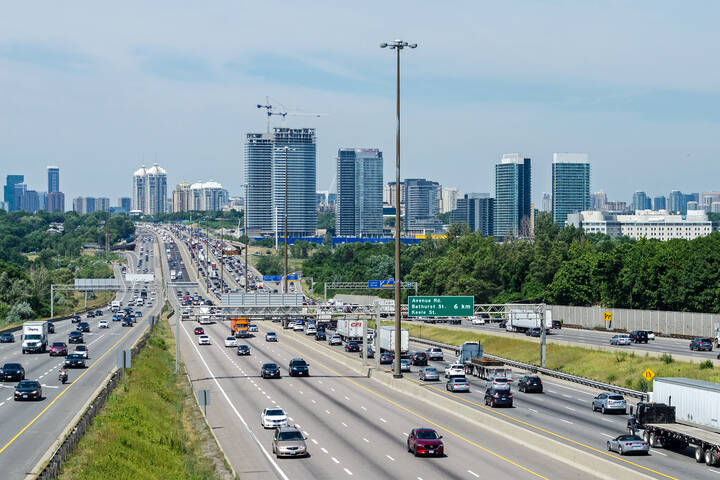
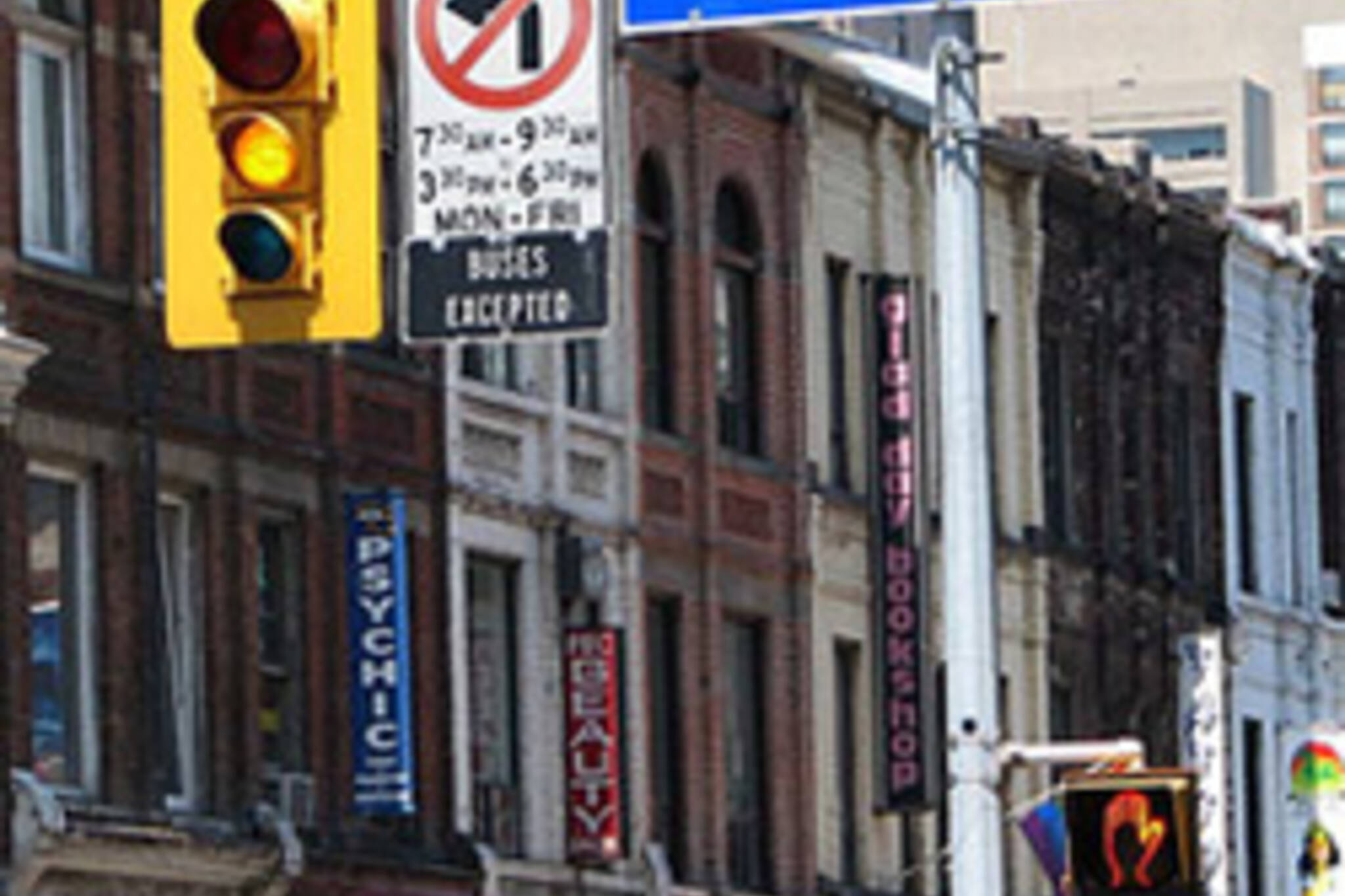
Photo by BlogTO Flickr pooler viviloob


Discussion
11 Comments
Sort By Oldest First / Newest First
Subscribe
Many people seem to cross on the green at intersections with an advanced left signal. Even though the red hand says otherwise.
It shouldn't be up to the pedestrian to somehow intuit that <i>this</i> particular intersection behaves differently, and differently in a way s/he probably hasn't encountered before. Normally those buttons just affect the speed at which the light will change.
Besides, green light = legal to cross. I'm not aware that pedestrian signals have any separate legal heft.
Going north on Spadina, and trying to turn west on College is the worst example I can think of. Without fail these people <i>always</i> cross, and always give me this look as if I'm the crazy one. What the heck green light are they even looking at?
but yeah, i just hate cars and how the whole system is set up for them rather than pedestrians.
If you look at the picture of the interstection, there are no oncoming cars turning left. Its impossible since its a 3 way intersection. However, the signal has the hand up while the light is green. It doesnt make sense... why cant a pedestrian cross when there are no oncoming cars?
People have no choice but to cross the street while the signal says dont, since it never tells you when you can.
At that intersection the pedestrian sign won't change unless you press the button. Reason for this is so that as much car traffic flows as possible because it's very busy and the cars move prety damn fast cuz they're coming off and going on the highway. I've timed it with the intersection that follows it and if the walk sign goes up, the cars don't get any extra time once it goes down (in fact, they get about a minute less time) as compared to when no one has pressed the button at all. This ensures traffic flows as much as possible east/west while not holding up traffic going north/south any longer than necessary. There are no rights on red at this intersection because of the high car traffic mixed with high pedestrian traffic that walks through at rush hour points in the day, which is done with pedestrian safety in mind.
At this intersection, it makes complete sense for the pedestrian light to not be on when there aren't any pedestrians.
Like the Star's article stated (and similar to the way Bay/Lakeshore functions), the walk light in the picture <i>will in fact</i> say you can go, so long as you press the button to let it know that you're there to begin with. Pedestrians can choose not to cross in the interest of their safety when they have a no walk signal, forcing them to wait 2 minutes or until there's no traffic and it's safe to jay walk. Is it too much to ask that people press the button in the interest of keeping traffic as smooth as possible?
This is why countdown clocks are important, despite some people in TO deriding them. People like to know that if they wait it's worth it - IT found that out years ago with progress boxes. Pressing a pedestrian button and not getting a response happens all too often.