Were the ROM's Chinese Antiquities Stolen?

According to this morning's Globe and Mail, much of the museum's extensive Chinese collection was smuggled out of China in the 1930s by an Anglican bishop for whom one of the galleries is now named. As several claims suggest, William Charles White, the ROM's first Far East Collection curator, knew he was breaking Chinese law when he sent pieces out of the country, often hidden in the luggage of visiting missionaries to avoid detection by authorities.
At the center of the article is a new book from the University of Toronto Press, which Globe journalist Geoffrey York appears to have forgotten to name. He also doesn't say what the book is actually about, or indicate who wrote it. Such insignificant details aside, it makes for a nice segue into a discussion of the future of our city's impressive collection of Chinese antiquities.
While the Chinese government hasn't yet asked for anything back (yet being the operative word), the past few years have seen a few other high-profile returns of allegedly "looted" art from similar institutions, with New York's Metropolitan Museum returning several disputed pieces to the Italian government in 2006, and LA's J. Paul Getty Museum following suit shortly after, returning antiquities from their extensive collection to Greece. While the ROM's collection was surely better cared for here than it would have been had it remained in China, where it could have easily been destroyed during the Cultural Revolution, precedent suggests many of the pieces may well end up where they began.
With the approach of the Olympic games in Beijing, and the swelling of Chinese national pride that will surely accompany it, not to mention the number of new museums currently under construction there, it seems only a matter of time before China asks for the return of what was once theirs, and maybe still is.
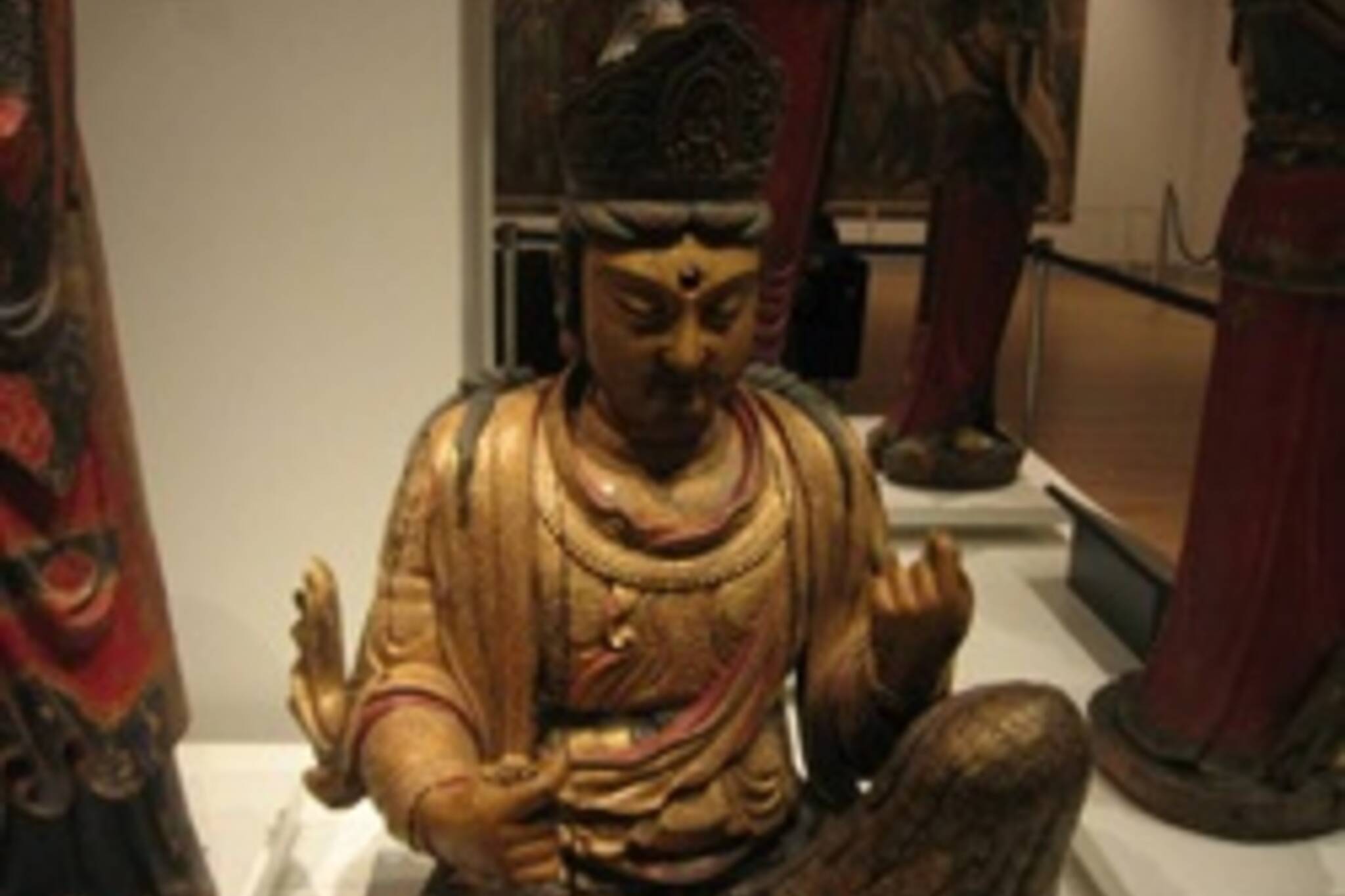
Photo: hanifworld
Comments (9)
this is the same way the KMT 'stole' boatloads of chinese antiquities from mainland China that now reside preserved in the National Palace Museum in Taipei for everyone who visits to enjoy. While i'm not an expert in that corner of the world or the nuances of it's history by any means, considering how the great leap forward and the cultural revolution sought to destroy much of these Chinese antiquities in an attempt to forge a new direction for the nation how legit are any claims by a communist dictatorship that less than 50 years ago would've just trashed the lot?
The reality is that most of the world's precious artifacts are not located in their country of origin. Through the way history has unfolded, most of the really important stuff was smuggled or stolen outside of the originating country. Anyone find it ironic that one of the biggest collections of Egyptian artifacts are located in the British Museum?
I don't know if it's the "right" view, but I think this is the way it should be. If all Egyptian artifacts were in Egypt, or all Chinese artifacts were in China, then relatively few people would get to ever see them. After all, if you can go to Egypt or China, then you'd go.
That the closest most people will ever get to China is the artifacts at a local museum I think makes it important that these artifacts are available to people around the world.
I think the Chinese government have been stealing their share of things themselves: Tibet and the organs of political prisoners comes to mind.
Chinese people don't need to think of "getting back...." some stolen stuff.
Thinking about those lives that have been taken alway from their bodies by Japanese soldiers during WWII. The number is 30,000,000. Just about the same number of Canada population.
Chinese people should have asked Japan to pay for that first.
China is a country with very long history, looking back is waste of time, because they don't even have enough time to looking forward and thinking about how to protect their kids from being killed and stolen.
China is too large-minded to be bothered about petty theft. The ROM collection does have a very bad vibe about it though.


RSS